U.S. Mint Coin Production Rises: September brought renewed energy to America’s coin production lines as the United States Mint increased output to meet steady demand across the country. At a time when digital payments continue to expand and headlines often question the future of physical currency, the latest figures tell a different story. Coin production is not fading quietly into the background. In fact, it is adjusting, responding, and in many ways reaffirming its role in the broader economy.
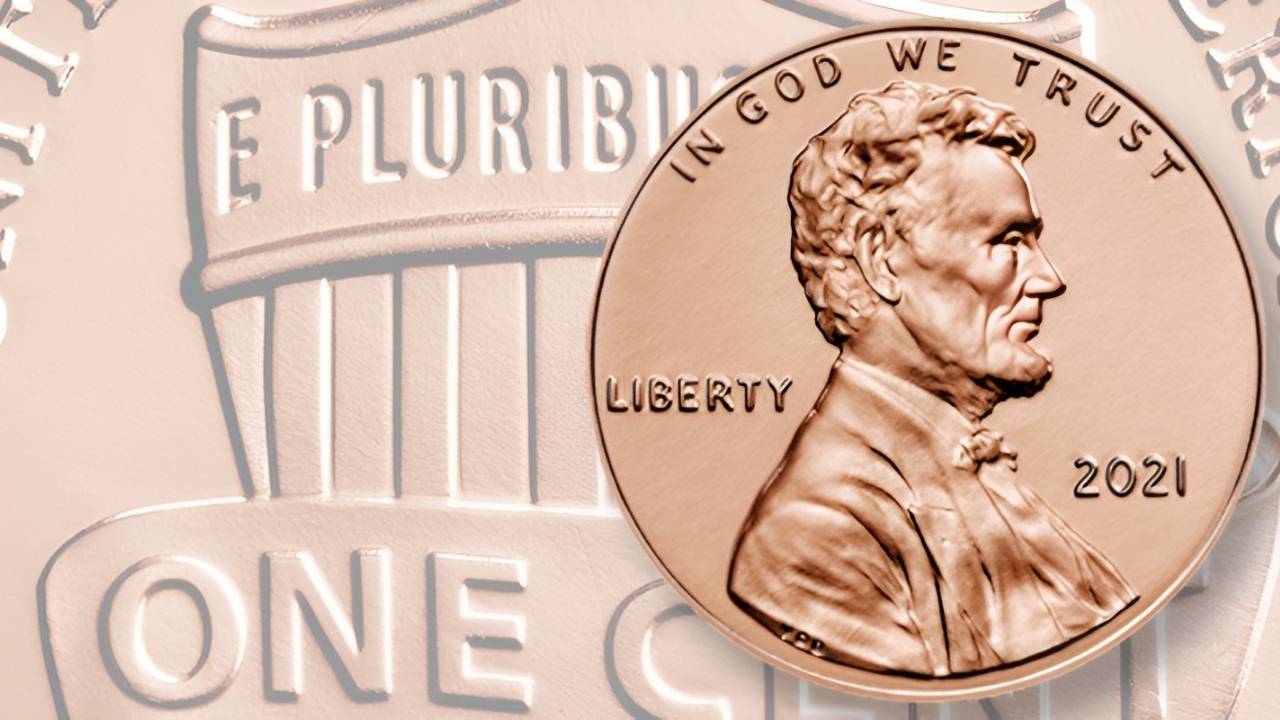
One of the most interesting highlights of September’s numbers is the continued production and circulation of the Lincoln cent. Despite years of debate about its cost efficiency and practical value, the one cent coin remains firmly embedded in daily transactions. Whether tucked into tip jars, exchanged in grocery stores, or saved in glass jars at home, the penny continues to move through the American financial system.

The increase in September output reflects more than just a routine adjustment. It signals how demand for coins remains resilient, particularly as businesses restock their supplies ahead of the busy fall and holiday seasons. Retailers, banks, and armored carriers all rely on consistent production schedules to maintain smooth circulation. When economic activity picks up, so does the need for coinage, especially lower denominations used for everyday change.
Why Coin Production Fluctuates
Coin production is never static. The Mint adjusts its monthly totals based on orders placed by the Federal Reserve system. When commercial banks anticipate higher cash usage, they place larger coin orders, which then influence how many pieces are struck at Mint facilities. Seasonal shopping trends, tourism, and even local events can shape short term demand.

September often marks a transitional period. Summer travel slows, but back to school shopping and early holiday preparation begin. Businesses seek adequate change supplies, particularly in cents, nickels, and quarters. The rise in production during this month suggests that demand signals were strong enough to warrant expanded minting operations.
Another factor influencing output is coin recirculation. Coins typically last for decades, meaning production does not need to match total usage in the economy. Instead, new coins replace damaged pieces and supplement circulation when shortages appear. During the past few years, temporary disruptions created uneven distribution patterns. Since then, the system has worked to stabilize flows, and increased production in September may reflect that balancing effort.

The Enduring Role of the Lincoln Cent
The Lincoln cent has sparked ongoing debate in policy circles. Critics argue that production costs exceed face value, while supporters point to pricing flexibility and consumer preference. Regardless of opinion, the coin continues to be struck in the hundreds of millions each month.
Part of the cent’s endurance comes from pricing psychology. Many goods are still listed at amounts ending in .99. Eliminating the penny would require rounding practices that could subtly shift pricing structures. Even small rounding adjustments can create ripple effects across large transaction volumes.

There is also a cultural dimension. The Lincoln cent carries historical symbolism, featuring President Abraham Lincoln and representing more than a century of American minting tradition. Removing it from circulation would not simply be an accounting decision. It would be a shift in daily economic ritual, affecting how change is handled and how prices are displayed.
Inside the Minting Process
The United States Mint operates major production facilities in Philadelphia and Denver, where billions of coins are struck each year. The minting process combines advanced industrial automation with strict quality control. Blank metal discs, known as planchets, are fed into high speed presses that stamp designs with immense pressure. Each finished coin is inspected, counted, and prepared for distribution through Federal Reserve channels.

When production rises in a given month, it often means longer operating schedules, optimized machinery use, and coordinated logistics planning. The Mint must carefully balance efficiency with durability, ensuring that coins meet specifications for weight, thickness, and composition.
Although collectors often focus on special editions and commemoratives, the bulk of Mint activity centers on circulating coinage. These everyday coins form the backbone of small cash transactions across the nation.

Cash in a Digital Age
It is easy to assume that electronic payments have made coins obsolete. Mobile wallets, tap to pay cards, and online transactions continue to grow each year. Yet cash remains an essential option for millions of Americans. Coins in particular play a crucial role in exact change transactions, laundromats, parking meters, vending machines, and small businesses that operate on thin margins.
Economic inclusivity is another consideration. Not everyone has equal access to digital banking services. Physical currency ensures participation in commerce without requiring technology or credit approval. The steady rise in coin production during September reflects this ongoing relevance.

Interestingly, periods of economic uncertainty often increase demand for physical currency. Consumers may withdraw and hold more cash as a precaution. Even if much of that cash sits in drawers rather than circulating rapidly, the Federal Reserve must maintain sufficient supply levels, prompting corresponding Mint output.
What September’s Increase Suggests
The reported rise in coin production during September suggests confidence in continued economic activity. When demand for small denomination coins grows, it often indicates healthy retail traffic and steady consumer spending. Businesses would not request additional coin shipments without anticipating transactions that require change.

At the same time, the sustained production of the Lincoln cent underscores how deeply embedded certain denominations remain. Discussions about eliminating the penny surface periodically, but production figures show no immediate phase out. Instead, the Mint continues to fulfill orders as requested.
It is also worth noting that coin production strategies are forward looking. The Mint plans months ahead, analyzing trends and preparing for expected surges. September’s numbers may partly reflect anticipation of holiday commerce, when transaction volumes traditionally rise.

The Broader Economic Picture
Coin production may seem like a narrow technical subject, yet it offers a small window into broader economic conditions. Stable or rising output can signal business confidence, while sharp declines might reflect reduced demand. Though coins represent only a fraction of total payment volume, their production data remains a tangible metric.
For policymakers and economists, such details complement larger indicators like employment figures and retail sales reports. For everyday Americans, the impact is more practical. It means the change handed back at checkout counters remains readily available.

The United States Mint rarely attracts widespread public attention for its monthly production totals. Yet behind the scenes, its operations quietly support millions of daily exchanges. Each penny, nickel, and quarter minted in September represents preparation for future transactions, ensuring that cash users experience no disruption.
Looking Ahead
As the year progresses, coin production levels will continue to adjust in response to demand patterns. The debate over the future of the penny may persist, especially as production costs remain a topic of discussion. However, for now, the Lincoln cent remains in circulation, backed by consistent manufacturing activity.
September’s increase serves as a reminder that physical currency still plays a meaningful role in the American economy. While payment technology evolves rapidly, coins continue to move from mint presses to cash registers to pockets across the country.
In a financial system increasingly shaped by digital innovation, the humble cent stands as a symbol of continuity. Its ongoing production highlights the balance between tradition and adaptation. And as long as businesses request them and consumers use them, the presses at the United States Mint will continue to run, striking coins that keep everyday commerce moving forward.