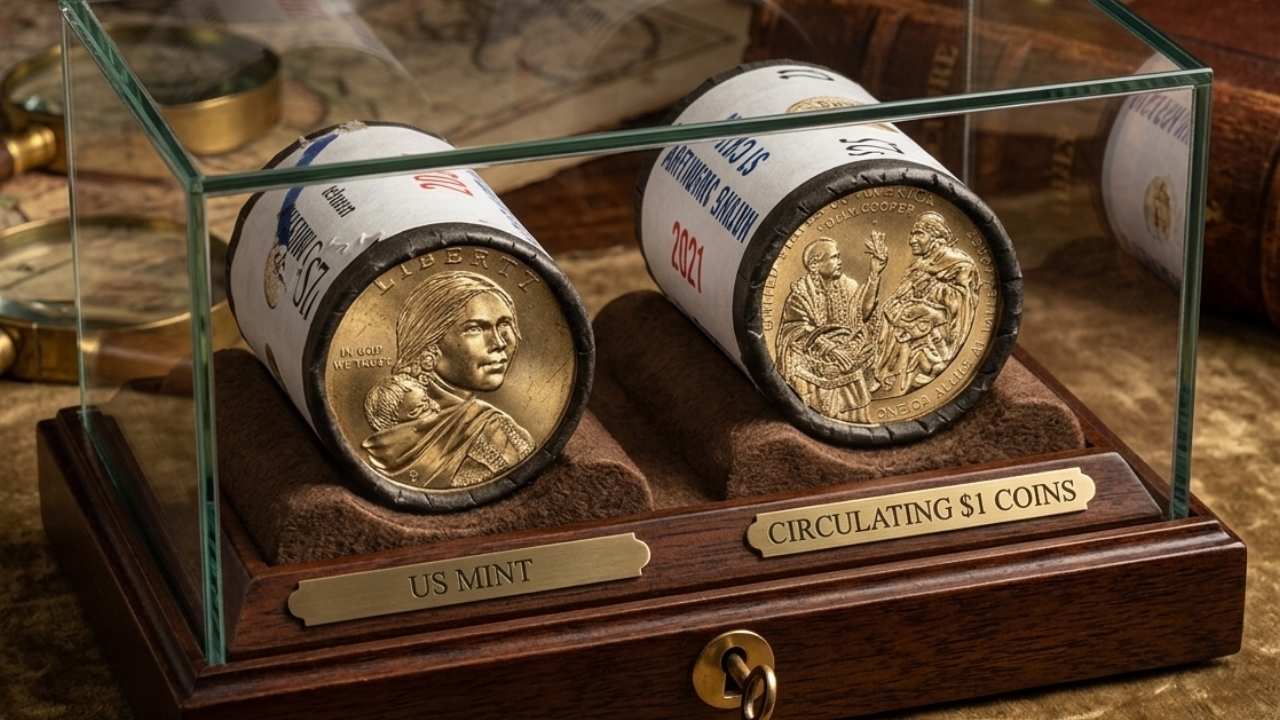
U.S. Mint Output Falls to 2.66 Billion Coins: The United States Mint has reported that coin production for the first half of 2026 totaled 2.66 billion pieces, marking a decline compared to previous years. This figure reflects both economic trends and evolving consumer behavior, as digital payments continue to reshape the way Americans transact.
The Role of the U.S. Mint
The U.S. Mint is responsible for producing coins for circulation, ensuring that businesses and consumers have access to reliable currency. Beyond circulation coins, the Mint also creates numismatic products such as proof sets, commemorative coins, and bullion issues. Its facilities in Philadelphia, Denver, San Francisco, and West Point collectively sustain the nation’s coinage system.

Breakdown of Coin Production
The 2.66 billion coins produced in the first half of 2026 included a mix of denominations:
- Cents: Still the most widely produced denomination, despite ongoing debates about their usefulness.
- Nickels and Dimes: Essential for small transactions and vending machines.
- Quarters: Popular for both circulation and collecting, especially with ongoing commemorative programs.
- Half Dollars and Dollars: Produced in smaller numbers, often geared toward collectors rather than circulation.
This distribution reflects both consumer demand and Mint priorities.

Why Coin Production Declined
Several factors contributed to the decline in output:
- Digital Payments Growth: Increasing reliance on cards and mobile payments reduces demand for coins.
- Economic Trends: Shifts in consumer spending patterns influence coin usage.
- Mint Scheduling: Production cycles vary depending on anticipated demand and collector programs.
- Public Policy Discussions: Ongoing debates about the future of low-denomination coins may influence production decisions.
Collector Interest in Modern Coinage
Collectors often pay close attention to Mint production reports. Low-mintage coins can become future rarities, while special series attract long-term interest. For example, quarters from commemorative programs often generate excitement among hobbyists who seek to complete sets.

Comparing 2026 to Previous Years
The first half-year total of 2.66 billion coins represents a notable decline compared to earlier years. In 2025, production exceeded 3 billion coins during the same period. Analysts suggest that this downward trend may continue as digital transactions further reduce reliance on physical currency.
The Future of Coinage
As the U.S. economy continues to evolve, the role of coins may shift, but they remain an enduring part of commerce and culture. The Mint’s ability to balance tradition with innovation ensures that coins will continue to serve both practical and collectible purposes.

Conclusion
The production of 2.66 billion coins in the first half of 2026 underscores the importance of the U.S. Mint in sustaining America’s currency system, even amid declining demand. For collectors, these figures provide insight into potential rarities and future values. For consumers, they ensure that coins remain available for everyday use. In both cases, the Mint’s work reflects the enduring significance of coinage in American life.