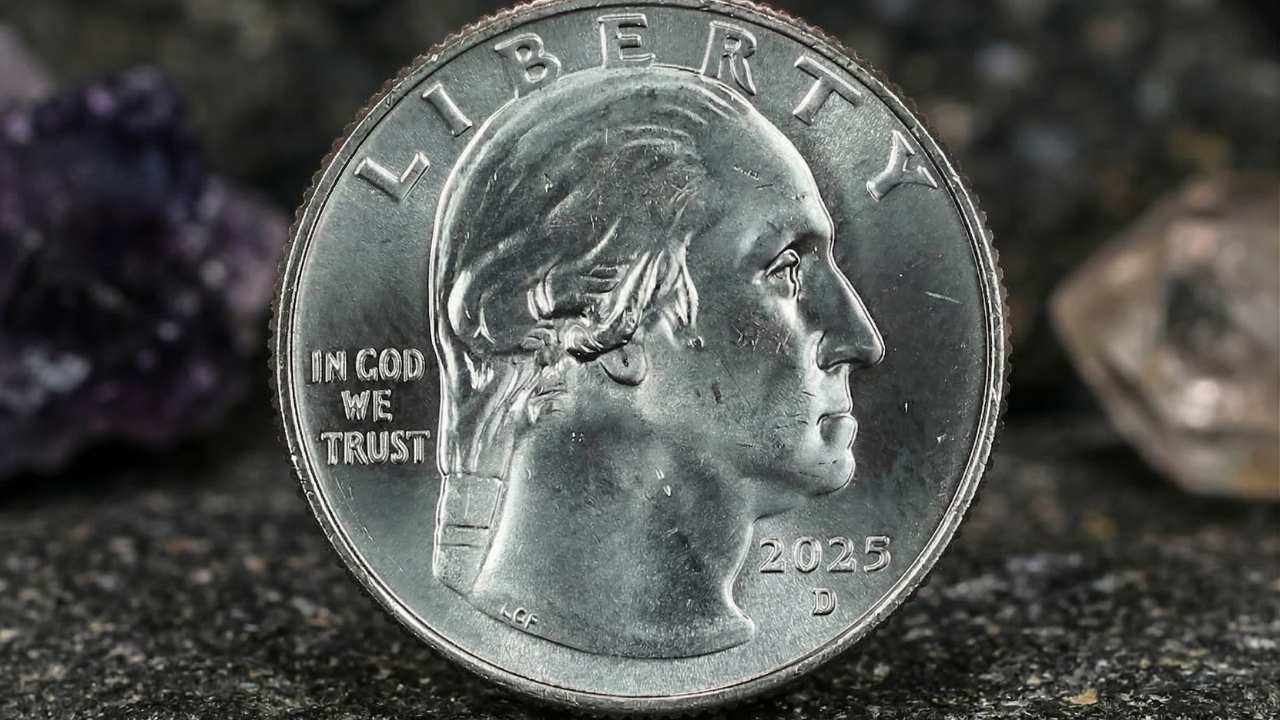
U.S. Mint April Coin Output Drops to 578.76M:;The U.S. Mint is one of the most vital institutions in the American financial system. Its monthly coin production reports are closely monitored by economists, collectors, and businesses. In April, the Mint reported a total output of 578.76 million coins. While this represents a decline compared to earlier months, the figure still surpasses demand, ensuring stability in coin circulation across the country.
Seasonal Fluctuations in Coin Production
Coin production is not constant throughout the year. The Mint often increases output in the first quarter to meet heightened demand from banks and retailers. By spring, demand stabilizes, and production levels adjust accordingly. April’s decline is part of this natural cycle rather than a sign of inefficiency.

Comparing April to Previous Months
March saw coin production exceeding 700 million pieces, while February and January recorded higher figures as well. April’s 578.76 million coins reflect a predictable seasonal adjustment. Despite the decline, the Mint continues to produce more than is required, preventing shortages in circulation.
Factors Driving Coin Demand
Several factors influence coin demand in the United States:

- Consumer reliance on cash for small transactions
- Banking requirements for withdrawals and deposits
- Seasonal retail activity and tourism
- Broader economic conditions such as inflation and employment
Even in an increasingly digital economy, coins remain essential for vending machines, laundromats, and public transportation.
The Mint’s Role in Economic Stability
The U.S. Mint ensures that commerce runs smoothly by maintaining adequate coin supplies. A shortage could disrupt retail and banking operations. April’s figures demonstrate the Mint’s ability to balance efficiency with stability, producing enough coins to meet demand without overspending on resources.

Production Costs and Metal Prices
Coin production depends on the cost of raw materials such as copper, nickel, and zinc. Rising prices can influence output decisions. By producing fewer coins in April, the Mint may have optimized costs while still ensuring supply exceeded demand.
Collector Interest in Mint Reports
Collectors closely follow monthly production figures. Lower outputs can sometimes increase the rarity of certain coin issues. While April’s decline is not drastic enough to create scarcity, collectors remain attentive to these trends, as they can affect long-term value.

Coin Circulation in Context
The pandemic highlighted the importance of coin circulation when shortages briefly disrupted retail operations. Since then, the Mint has worked to ensure production levels remain sufficient. April’s figures confirm that the Mint continues to stay ahead of demand, preventing similar disruptions.
Future Outlook
Analysts expect coin production to rise again in the summer months, driven by tourism and holiday shopping. The Mint’s flexibility allows it to respond quickly to shifts in demand. April’s decline should be seen as a temporary adjustment rather than a long-term trend.

Conclusion
The U.S. Mint’s April coin output of 578.76 million pieces reflects a seasonal decline but remains well above demand. This demonstrates the Mint’s efficiency and commitment to economic stability. Coins continue to play a vital role in everyday commerce, and the Mint’s careful management ensures that supply remains steady. For collectors, economists, and consumers, April’s figures reaffirm the Mint’s importance in the financial ecosystem.