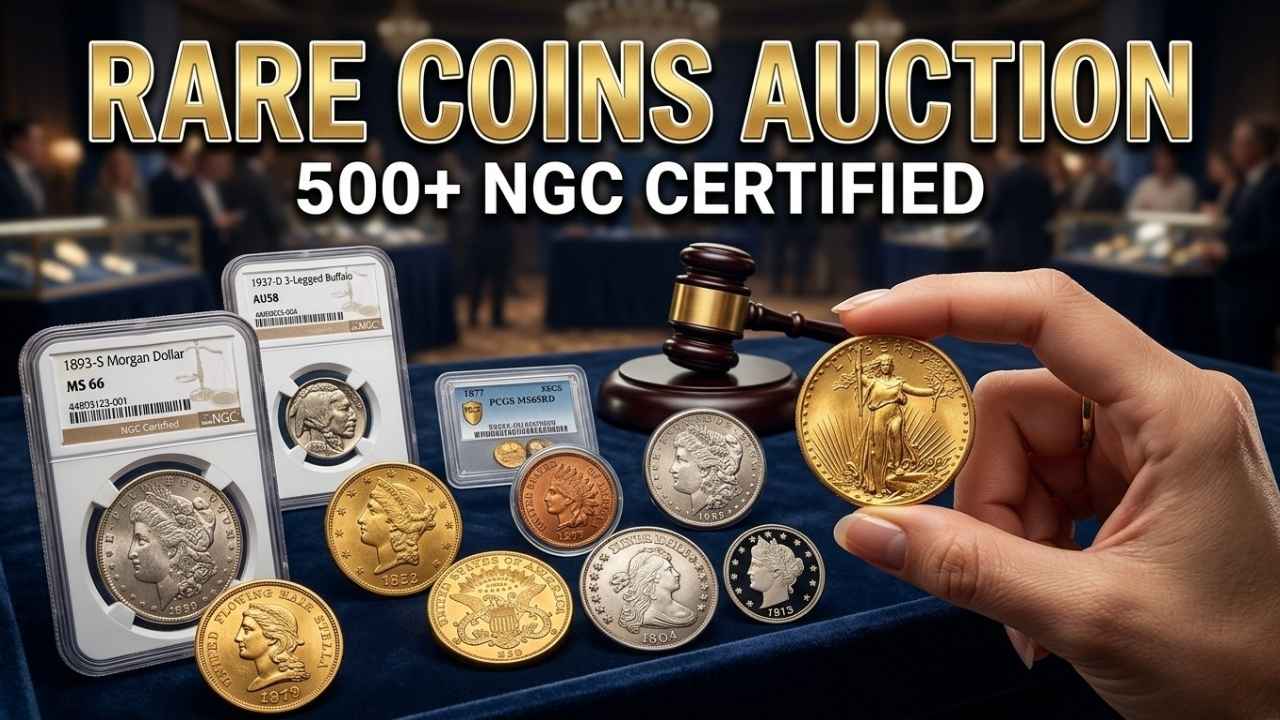
L.E. Bruun Scandinavian Collection: The world of numismatics continues to attract collectors, historians, and investors who see coins as more than just currency. A recent highlight in this space is the L.E. Bruun Scandinavian Collection auction, which has drawn significant attention for presenting more than 500 NGC-certified coins. This auction is not just another sale event; it represents a carefully preserved piece of Scandinavian monetary history, offering rare insights into the region’s economic and cultural evolution. The combination of historical significance and third-party certification has made this collection especially appealing to serious collectors across the globe.
The Legacy of L.E. Bruun Collection
The L.E. Bruun Collection is widely recognized in numismatic circles for its depth and historical importance. Lars Emil Bruun, a Danish collector from the late 19th and early 20th century, dedicated much of his life to assembling one of the most comprehensive collections of Scandinavian coins ever recorded. His focus was not only on rarity but also on preserving the chronological development of coinage in Denmark, Norway, and Sweden.
What makes this collection particularly valuable is its continuity. Instead of random acquisitions, Bruun meticulously gathered coins that represented different monarchs, economic periods, and minting styles. Over time, this turned into a structured archive of Scandinavian monetary history. Today, when pieces from this collection appear in auctions, they are treated as both historical artifacts and investment-grade collectibles.
Highlights of the Scandinavian Coin Collection
The auction featuring over 500 NGC-certified coins includes a wide range of Scandinavian issues, spanning several centuries. Collectors can find silver and gold coins from royal eras, commemorative pieces, and early circulation currency that reflects the evolving identity of the Nordic region.
One of the standout aspects of this collection is its diversity. Coins from Denmark’s Christian monarchs, Sweden’s empire period, and Norway’s union years provide a broad historical spectrum. Some coins feature intricate engravings and mint marks that reveal the technological advancement of minting techniques during their respective eras.
In addition, several coins in the collection are considered low-mintage or rare survival pieces. These are especially sought after because they were produced in limited quantities or did not survive widespread circulation. Their presence in a single auction enhances both the excitement and competitive bidding environment among collectors.
Importance of NGC Certification
One of the key reasons this auction stands out is the involvement of NGC certification. The Numismatic Guaranty Company (NGC) is one of the most trusted third-party grading services in the world. Every coin in this auction has been evaluated and certified for authenticity, grade, and condition.
This certification plays a crucial role in modern numismatics. It provides buyers with confidence that the coins are genuine and accurately graded, reducing the risks often associated with high-value collectibles. For investors, NGC certification also helps standardize value, making it easier to compare and trade coins in the global market.
Furthermore, the protective encapsulation used by NGC ensures long-term preservation of each coin. This is particularly important for historical collections like the L.E. Bruun Scandinavian set, where maintaining original condition directly impacts both historical and monetary value.
Collector Interest and Market Impact
The announcement of this auction has generated strong interest among both private collectors and institutional buyers. Scandinavian coins already hold a respected position in the numismatic world, but a collection of this scale and authenticity significantly elevates market attention.
Auction events of this nature often lead to increased demand for similar coins, especially those connected to well-documented collections. As bidders compete for rare items, prices can sometimes exceed initial estimates, reflecting the emotional and historical value attached to such pieces.
Another important factor is the growing global interest in alternative investments. Collectors are increasingly viewing rare coins as a stable asset class, particularly during periods of economic uncertainty. The presence of NGC certification further strengthens this perception, as it reduces uncertainty and enhances liquidity in the secondary market.
Why This Auction Matters for Numismatics
The L.E. Bruun Scandinavian Collection auction is not just about buying and selling coins; it is about preserving history. Each coin represents a fragment of Scandinavian heritage, from medieval trade systems to modern nation-building periods. By bringing these coins into a certified and publicly accessible auction, the collection continues its journey from private preservation to global appreciation.
For researchers and historians, such auctions provide valuable opportunities to study coinage trends, metallurgy, and artistic design across centuries. For collectors, it is a rare chance to acquire pieces that are both historically significant and professionally graded.
The scale of this auction also highlights the growing professionalism in the numismatic industry. With institutions like NGC setting global standards, the market is becoming more transparent, structured, and accessible to a wider audience.
Conclusion
The L.E. Bruun Scandinavian Collection auction, featuring more than 500 NGC-certified coins, stands as a landmark event in the numismatic world. It brings together historical depth, expert certification, and strong collector interest in a single platform. From rare Scandinavian issues to carefully preserved royal-era coins, the collection offers a rich narrative of Northern European history.
As bidding progresses and new owners take possession of these historic pieces, the legacy of L.E. Bruun continues to grow. This auction not only celebrates the beauty and rarity of coins but also reinforces the importance of preserving cultural heritage through numismatics.