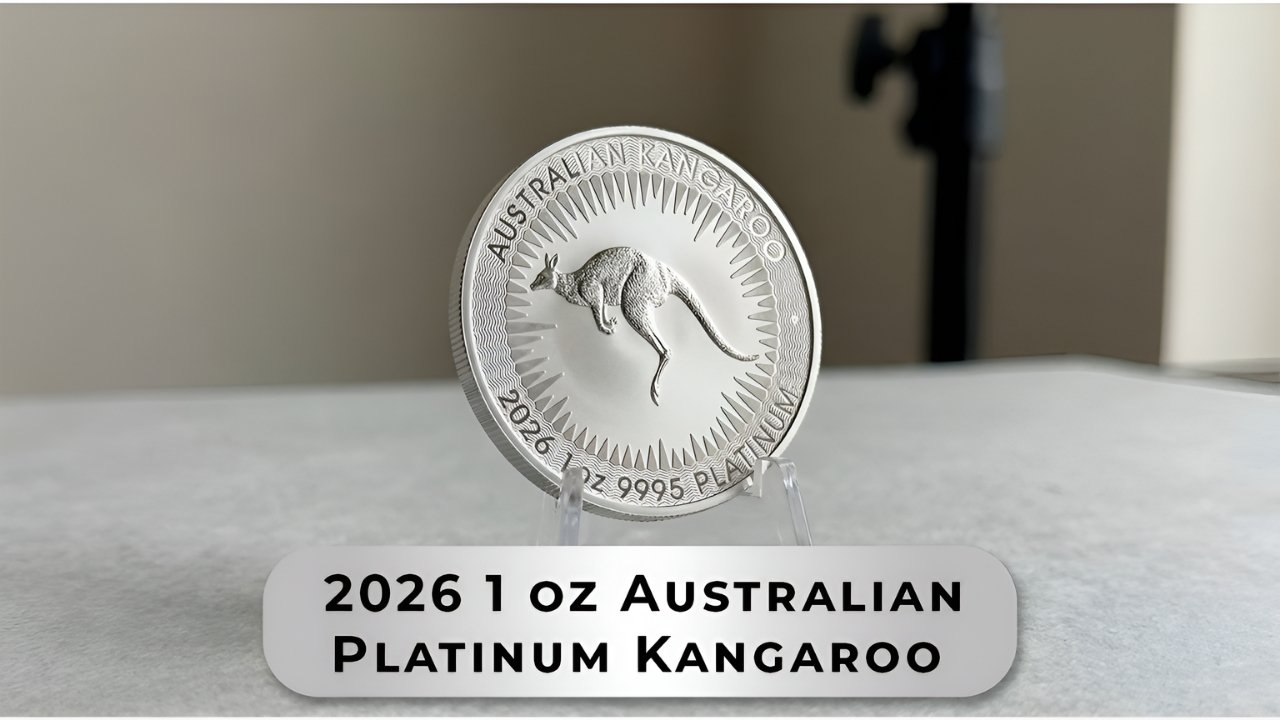
Australian Bullion Sales Slow in June 2026: The Perth Mint recently released its first-half report for 2026, revealing that bullion sales in Australia experienced a slowdown during June. As one of the world’s leading producers of gold, silver, and platinum bullion, the Perth Mint’s sales figures are closely watched by investors and collectors alike. The report sheds light on market trends, investor sentiment, and the challenges facing the bullion industry in the first half of the year.
This slowdown in sales does not necessarily indicate long-term weakness but rather reflects short-term fluctuations that can be influenced by multiple factors, including global economic conditions and local market dynamics.

Understanding the Perth Mint’s Role
The Perth Mint is a critical institution in Australia’s bullion market. Established in 1899, it has a long-standing reputation for producing high-quality coins, bars, and investment products. Its bullion offerings are recognized globally for purity and craftsmanship, making them a preferred choice for both investors and collectors.
Sales data from the Perth Mint often serve as a benchmark for broader market trends. When the Mint experiences changes in demand, it can signal shifts in investor behavior, economic confidence, and commodity pricing. Analysts frequently use these reports to gauge the overall health of the precious metals market.

June 2026 Sales Performance
According to the first-half report, June 2026 saw a notable decline in bullion sales compared to previous months. Gold and silver products, in particular, experienced slower uptake. While overall sales remain strong on a year-to-date basis, the slowdown in June highlights potential caution among buyers.
Several factors may have contributed to this trend. Volatility in global markets, fluctuations in the Australian dollar, and shifts in investor confidence can all impact the purchase of precious metals. Seasonal patterns may also play a role, as certain months historically experience lighter demand for bullion products.

Gold Bullion Trends
Gold continues to be a cornerstone of the Perth Mint’s offerings, representing a significant portion of total sales. In June, gold bullion purchases slowed, reflecting a combination of market uncertainty and price adjustments. Investors often view gold as a safe haven, but short-term fluctuations in global markets can temporarily influence buying behavior.
Despite the slowdown, gold remains attractive for long-term investment. Many investors continue to see it as a hedge against inflation and currency volatility. The Mint’s first-half report indicates that while monthly sales may vary, demand for gold remains robust over time.

Silver Bullion Performance
Silver sales also slowed in June, mirroring the trend seen with gold. Silver bullion coins and bars are popular among both collectors and investors, offering a lower-cost alternative to gold. The drop in sales may have been influenced by pricing trends, economic sentiment, and market competition.
Historically, silver experiences greater volatility in sales than gold due to its dual role as both an industrial commodity and an investment asset. Even during slower months, silver continues to attract buyers looking for portfolio diversification and tangible assets.

Platinum and Palladium Insights
Platinum and palladium sales were similarly affected during June 2026. These metals are less commonly traded than gold or silver but remain important for specialized investors and collectors. Market fluctuations, industrial demand, and relative scarcity can all impact sales volumes.
The Perth Mint’s report suggests that while platinum and palladium sales are typically smaller in scale, they follow similar market patterns to other precious metals. Slowdowns in one segment often reflect broader trends in investor behavior and economic outlook.

Factors Influencing Bullion Demand
Several key factors can influence bullion demand at the Perth Mint. Global economic conditions, including interest rates, inflation, and geopolitical stability, play a significant role. Currency fluctuations, particularly the strength of the Australian dollar, also affect the relative cost of bullion for local buyers.
Investor sentiment is another critical factor. During periods of uncertainty, demand for safe-haven assets like gold often rises. Conversely, when confidence is high, investors may temporarily reduce bullion purchases in favor of equities or other assets. Seasonal trends and promotional campaigns can also create temporary fluctuations in sales.

Collector Interest vs Investment Demand
The Perth Mint serves both collectors and investors, each with different motivations. Collectors are drawn to coins and special edition products, often valuing design, rarity, and historical significance. Investors, on the other hand, prioritize the metal content and liquidity of bullion.
June’s slowdown affected both segments, but reports suggest that collectors continued to show interest in limited-edition releases. Investment demand, particularly for standard gold and silver bars, experienced the greatest decline, highlighting how economic conditions can influence purchasing priorities.

Implications for the Second Half of 2026
While June showed slower sales, the first-half report indicates that the Perth Mint remains on track for a strong year overall. Market analysts suggest that fluctuations like this are normal and can be followed by periods of heightened activity. Factors such as upcoming product releases, global economic developments, and investor sentiment will shape the trajectory for the second half of the year.
For investors and collectors, monitoring trends and understanding market dynamics will be key to making informed purchasing decisions. Short-term slowdowns do not necessarily indicate a long-term decline but rather reflect normal market cycles.

Tips for Buying Bullion in a Volatile Market
For those considering purchasing bullion, the Perth Mint report highlights the importance of timing and strategy. Understanding market trends and price movements can help buyers make informed decisions. Diversifying across different metals and products can also reduce risk and enhance portfolio stability.
Collectors should pay attention to special editions and limited releases, as these often retain value even during periods of lower overall demand. Proper storage and care remain essential to preserving both investment and collector value over time.

Final Thoughts
The Perth Mint’s first-half report for 2026 illustrates the dynamic nature of the bullion market. While June experienced slower sales, the broader picture shows continued interest in gold, silver, platinum, and palladium products. Short-term fluctuations are a normal part of market behavior, influenced by economic conditions, investor sentiment, and seasonal trends.
For collectors and investors alike, the Perth Mint remains a trusted source of high-quality bullion. By staying informed and understanding market patterns, buyers can navigate periods of slower sales while positioning themselves to benefit from future opportunities in the precious metals market.