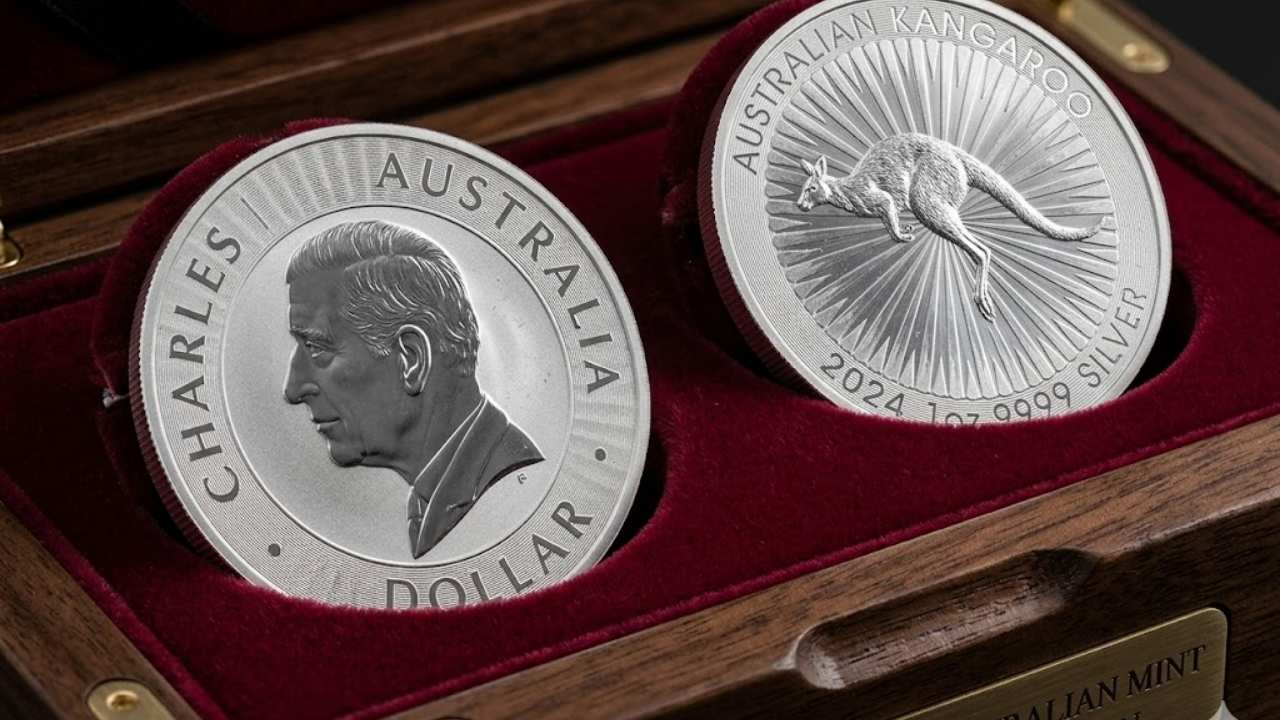
Australian Bullion Sales Decline in June and H1 2026: The latest report from the Perth Mint reveals a notable decline in Australian bullion sales during June 2026 and the first half of the year. As one of the most closely watched indicators of investor sentiment in precious metals, this downturn raises questions about market trends, economic conditions, and investor behavior.
Gold and silver have traditionally served as safe-haven assets during periods of uncertainty, but shifts in global economic indicators, interest rates, and currency fluctuations can strongly influence their demand. The Perth Mint’s detailed figures provide a clear snapshot of how Australian investors and collectors are responding to these factors.

June 2026 Sales Performance
In June 2026, Australian bullion sales experienced a significant dip compared to the previous month. According to the Perth Mint, total gold coin and bullion sales fell by approximately 15 percent. Silver sales also showed a decrease, reflecting broader market trends and potentially indicating a shift in investor focus toward other asset classes.
One factor contributing to this decline is the rising strength of the Australian dollar, which can make bullion more expensive for local investors when compared to international buyers. Additionally, fluctuating interest rates and global economic uncertainties have prompted some investors to temporarily hold off on purchasing physical precious metals.

H1 2026 Overview
Examining the first half of 2026, the Perth Mint reports a modest overall decline in bullion sales when compared to H1 2025. Gold sales in particular showed a 10 percent decrease, while silver sales dropped nearly 12 percent. While these declines are notable, they do not indicate a collapse in demand, but rather a cooling after periods of heightened activity.
The first half of the year saw peaks in sales during January and February, driven by investor caution amid geopolitical tensions and fluctuating commodity prices. However, from March onwards, sales steadily tapered, suggesting that some investors may have been locking in profits earlier in the year or diversifying their portfolios away from physical bullion.

Factors Affecting Demand
Several factors have influenced the decline in Australian bullion sales in mid-2026.
Interest rates remain a critical factor. As the Reserve Bank of Australia adjusts rates to balance inflation and economic growth, the opportunity cost of holding non-yielding assets like gold and silver becomes more apparent. Higher rates often push investors toward income-generating instruments such as bonds or term deposits.

Economic stability and confidence also play a role. When markets are perceived as stable, investors may feel less need for the traditional security offered by bullion. Conversely, during periods of uncertainty, demand usually spikes, reflecting the status of gold and silver as safe-haven assets.
Global supply and demand dynamics impact pricing and availability. Mining output, geopolitical events, and international bullion flows all affect investor sentiment in Australia. The interplay of these factors creates a complex environment in which sales volumes can fluctuate month by month.

Perth Mint’s Strategic Response
The Perth Mint has responded to these market conditions by emphasizing education and engagement with investors. Programs highlighting the long-term benefits of bullion ownership, along with marketing campaigns for commemorative coins, are part of a broader strategy to maintain interest.
Moreover, the Mint continues to focus on efficient distribution channels and competitive pricing, ensuring accessibility for both seasoned investors and first-time buyers. While sales have slowed, these strategies are designed to stabilize the market and encourage sustained demand over time.

Market Outlook for the Second Half of 2026
Looking ahead, experts suggest that Australian bullion sales may recover modestly in the second half of 2026. Seasonal trends, such as increased purchasing during holiday periods and economic uncertainty in global markets, could stimulate demand.
Investors will likely continue to weigh bullion against other investment options. Changes in interest rates, inflation expectations, and geopolitical developments will play decisive roles in shaping the market. The Perth Mint’s position as a trusted supplier ensures that it remains a key player regardless of short-term fluctuations in sales.

Implications for Investors
The decline in bullion sales provides several takeaways for investors. First, it reinforces the importance of timing and market awareness when purchasing physical metals. Second, it highlights the sensitivity of bullion demand to macroeconomic factors.
Investors seeking to hedge against inflation or economic instability should consider both current market conditions and potential future developments. Diversification remains a crucial strategy, with bullion serving as one element within a broader portfolio rather than the sole investment focus.

Conclusion
The Perth Mint’s report for June and the first half of 2026 underscores a temporary decline in Australian bullion sales, driven by economic conditions, currency fluctuations, and investor behavior. While the figures may appear concerning at first glance, they reflect the natural ebb and flow of a mature market rather than a fundamental weakening in demand.
For investors, this period highlights the need for careful consideration of timing, diversification, and market trends. As the second half of 2026 unfolds, the interplay between global economic factors and local investor sentiment will determine whether bullion sales recover or continue to stabilize at lower levels. The Perth Mint remains a central player, ensuring that buyers can access quality bullion while navigating a dynamic market environment.