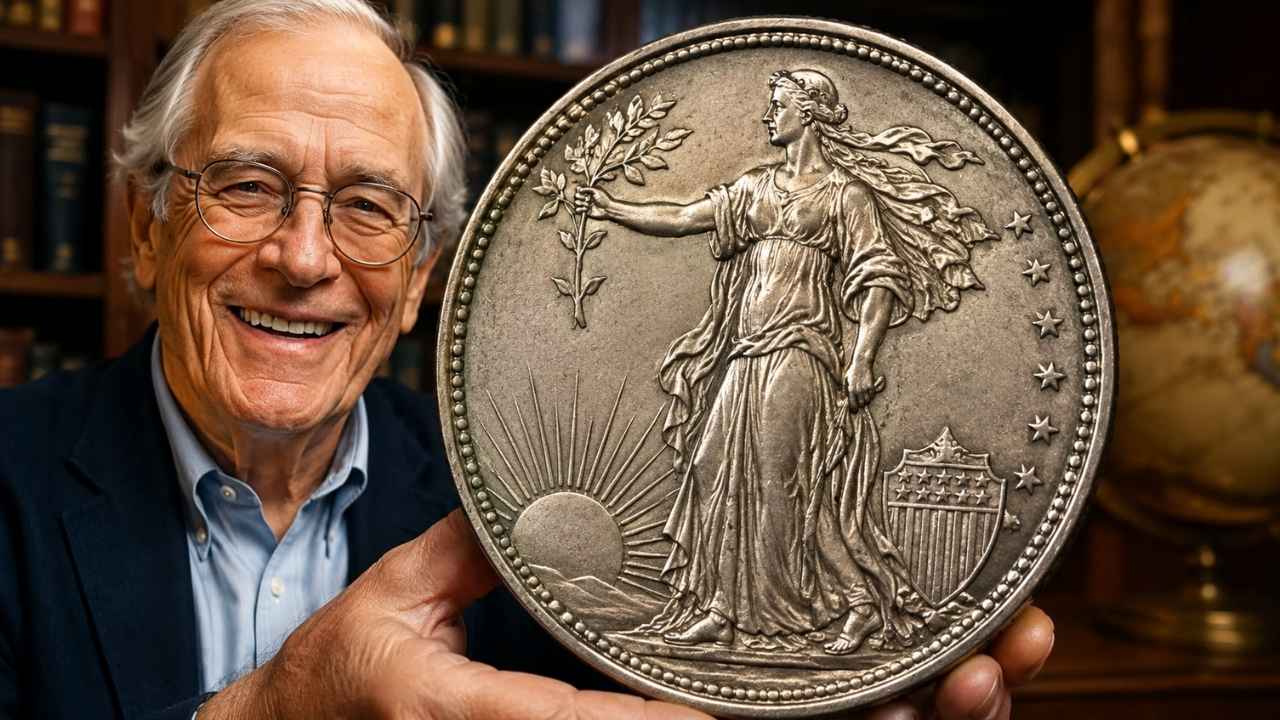
Whitman Acquires Rights to Definitive Overton Half Dollar: In a move that has stirred excitement across the numismatic community, Whitman Publishing has officially acquired the rights to the definitive reference work on Overton varieties of early United States half dollars. For collectors, historians, and dealers alike, this development signals a new chapter for one of the most respected and widely used guides in American coin collecting.
The Overton reference, long regarded as the gold standard for identifying and classifying early half dollar die varieties, holds a special place in the hobby. Its systematic approach and detailed attributions have helped generations of collectors better understand the complexity and artistry of coins struck in the late 18th and early 19th centuries. With Whitman now at the helm, expectations are high for a refreshed and possibly expanded edition that meets the needs of modern collectors.

Understanding the Importance of the Overton Reference
The Overton reference traces its roots to the pioneering work of Al C. Overton, whose meticulous research laid the foundation for the classification system still used today. Early American half dollars were struck using hand-prepared dies, leading to numerous subtle variations. Overton’s work brought order to this complexity, assigning unique identifiers to each known die pairing.
Collectors rely on these attributions not only to identify coins but also to assess rarity and value. Some Overton varieties are exceedingly scarce, making them highly sought after in the marketplace. Without a trusted reference, distinguishing between common and rare varieties would be significantly more difficult.

Over time, the reference has been revised and expanded by other experts, ensuring that new discoveries and updated research are incorporated. This ongoing evolution is part of what makes the Overton system so enduring and relevant.
Whitman’s Role in Modern Numismatics
Whitman Publishing is no stranger to producing authoritative numismatic literature. Known for its accessible yet comprehensive books, the company has built a strong reputation among collectors of all experience levels. Its portfolio includes widely recognized guides that cover everything from beginner basics to advanced research topics.

By acquiring the rights to the Overton reference, Whitman is reinforcing its commitment to preserving and enhancing numismatic knowledge. The company has a track record of updating classic works while maintaining their scholarly integrity, which is exactly what many collectors hope to see with this acquisition.
This move also reflects a broader trend within the hobby, where established publishers are stepping in to ensure that important reference works remain in print and continue to evolve. In an age where information is increasingly digital, maintaining high-quality printed references remains essential for serious collectors.

What This Means for Collectors
For collectors, the acquisition brings both reassurance and anticipation. On one hand, Whitman’s involvement ensures that the Overton reference will remain available and supported. On the other hand, it raises the possibility of improvements that could make the guide even more valuable.
Potential updates might include enhanced photography, clearer layouts, and expanded historical context. Modern printing technology allows for sharper images and more precise detail, which is especially important when dealing with subtle die variations. Additionally, Whitman may integrate recent research findings that have emerged since the last edition.

Collectors who specialize in early half dollars will likely be watching closely for announcements regarding a new edition. Even those who already own previous versions may find value in an updated release, particularly if it includes newly identified varieties or revised rarity ratings.
The Enduring Appeal of Early Half Dollars
Early United States half dollars occupy a unique place in American numismatics. Struck during the nation’s formative years, these coins offer a tangible connection to the past. Their designs reflect the artistic and technical challenges of early minting, while their variations tell a story of experimentation and adaptation.
The Overton reference has played a crucial role in deepening appreciation for these coins. By cataloging the many die pairings, it reveals the human element behind their production. Each variety represents a specific moment in the minting process, capturing details that might otherwise go unnoticed.
This level of detail is part of what makes collecting early half dollars so engaging. It transforms the hobby from simple accumulation into a form of historical investigation. With a trusted guide in hand, collectors can explore the nuances of each coin and uncover the stories they hold.
Looking Ahead to Future Editions
While specific details about Whitman’s plans have yet to be fully revealed, the acquisition opens the door to exciting possibilities. A new edition of the Overton reference could incorporate digital enhancements, such as companion resources or updated databases. At the same time, maintaining a strong print edition will remain important for collectors who value physical books.
There is also potential for broader outreach. Whitman’s distribution network and marketing capabilities could introduce the Overton system to a new generation of collectors. By making the reference more accessible, the company can help ensure that interest in early half dollars continues to grow.

Another area of opportunity lies in education. Updated editions could include expanded introductory material, making it easier for newcomers to understand how to use the Overton system. This would help bridge the gap between beginner and advanced collectors, fostering a more inclusive and informed community.
Preserving a Legacy
The acquisition of the Overton reference is not just a business transaction. It is a commitment to preserving an important piece of numismatic heritage. Works like this are the result of decades of research and dedication, and their continued availability is essential for the health of the hobby.

Whitman’s stewardship offers a sense of continuity, ensuring that the knowledge contained within the reference is not lost or forgotten. At the same time, it provides an opportunity to build upon that foundation, incorporating new discoveries and modern techniques.
For collectors, this balance between tradition and innovation is key. The Overton reference has earned its reputation through accuracy and reliability, and any future editions will need to uphold those standards while embracing change.

Conclusion
Whitman Publishing’s acquisition of the rights to the definitive Overton half dollar reference marks a significant moment for the numismatic community. It brings together a respected publisher and one of the most important reference works in American coin collecting.
As collectors await further developments, the overall sentiment is one of optimism. With Whitman’s experience and resources, the Overton reference is well positioned to continue serving as an essential tool for understanding early half dollars. Whether through updated editions, improved accessibility, or expanded educational efforts, the future of this iconic guide looks promising.
In the end, the true value of this acquisition lies in its potential to inspire continued exploration and appreciation of numismatics. For those who study and collect early American coins, that is a legacy worth preserving.