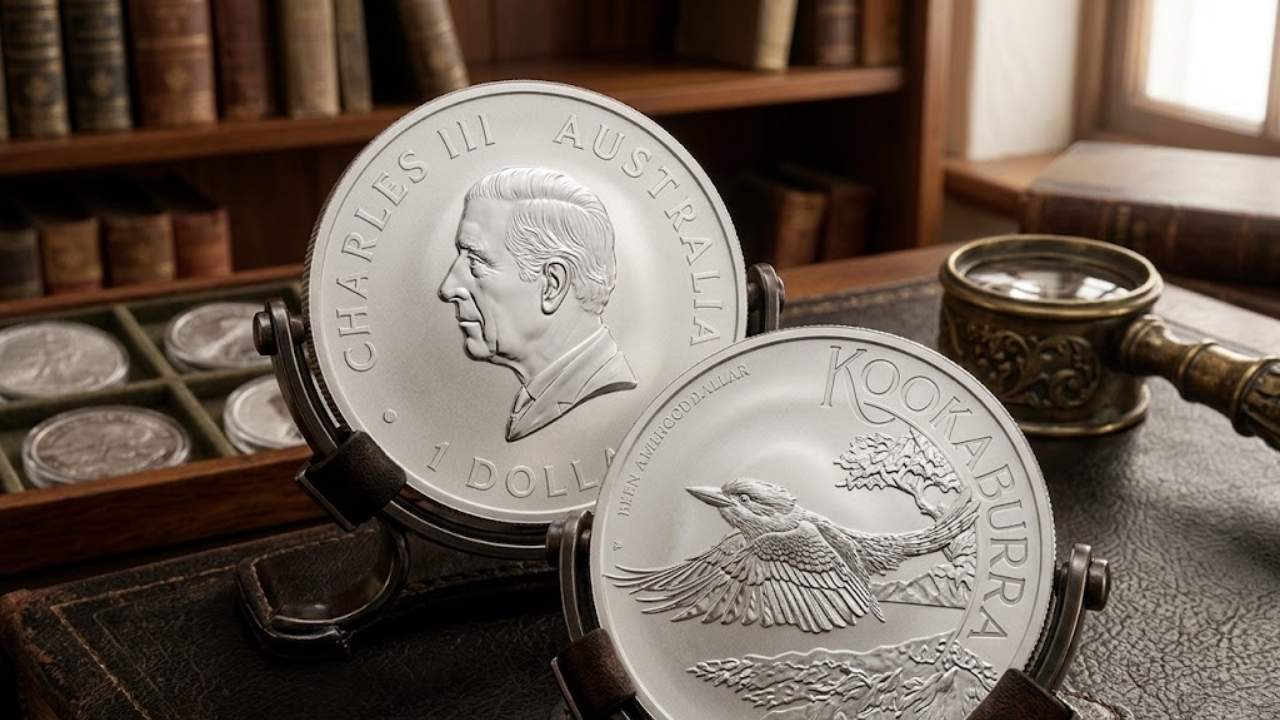
Perth Mint Bullion Demand Cools: After a strong surge in February, demand for bullion products from the Perth Mint has shown signs of cooling. This shift has caught the attention of investors and market watchers who closely follow precious metals trends. While February’s spike reflected heightened interest in safe haven assets, March brought a noticeable slowdown, raising questions about investor sentiment, global economic signals, and the future direction of gold and silver demand.
February Surge in Bullion Demand
February stood out as a remarkable month for the Perth Mint. Sales of both gold and silver bullion rose sharply compared to previous months. This increase was largely driven by global economic uncertainty, inflation concerns, and ongoing geopolitical tensions. Investors often turn to precious metals during such times as a hedge against instability.

Gold, in particular, experienced a strong uptick in demand. Many buyers sought physical assets to preserve wealth as currency fluctuations and market volatility persisted. Silver also benefited from this trend, with retail investors showing renewed interest due to its relatively lower price and industrial demand potential.
The surge was not just a short term reaction but reflected deeper concerns about financial markets. Rising interest rates in several major economies and fears of a potential recession played a key role in driving bullion purchases.

March Decline and Market Adjustment
Following February’s strong performance, March saw a cooling in demand. Sales figures from the Perth Mint indicated a noticeable drop in both gold and silver purchases. While still healthy compared to historical averages, the decline marked a shift in investor behavior.
This slowdown can be attributed to several factors. First, some investors who had rushed to buy in February may have paused their activity, having already secured their positions. Second, slight stabilization in global markets reduced the urgency for safe haven investments.

Additionally, fluctuations in gold prices may have influenced buying decisions. When prices rise too quickly, some investors adopt a wait and watch approach, hoping for a correction before making further purchases.
Role of Gold Prices in Demand Trends
Gold prices play a crucial role in shaping bullion demand. During February, prices were relatively attractive to buyers who anticipated further increases. This expectation fueled strong purchasing activity.

In March, however, price movements became less predictable. While gold remained at elevated levels, the pace of increase slowed, and occasional dips created uncertainty. For many investors, this signaled a time to reassess rather than continue aggressive buying.
Price sensitivity is especially important in retail markets. Unlike institutional investors, individual buyers often react more quickly to price changes. Even small fluctuations can influence decisions, leading to temporary declines in demand.

Silver Demand and Industrial Influence
Silver’s performance followed a similar pattern to gold but with additional factors at play. Unlike gold, silver has significant industrial applications, including electronics, solar energy, and manufacturing.
In February, silver demand was boosted not only by investment interest but also by optimism about industrial growth. However, in March, concerns about slowing global economic activity affected this outlook.

If industrial demand weakens, it can put downward pressure on silver prices and reduce investor enthusiasm. This dual role of silver makes its market behavior more complex compared to gold.
Investor Sentiment and Market Psychology
The cooling of bullion demand highlights the importance of investor sentiment. Markets are not driven solely by data but also by perception and psychology.

In February, fear and uncertainty dominated, leading to increased buying. By March, sentiment had shifted slightly. While risks remained, there was less immediate panic, allowing investors to take a more measured approach.
This change does not necessarily indicate a long term decline in interest. Instead, it reflects the natural ebb and flow of markets. Periods of intense buying are often followed by phases of consolidation.

Global Economic Factors
Several global factors continue to influence bullion demand. Inflation remains a key concern in many regions, although there are signs of it stabilizing. Central bank policies, particularly interest rate decisions, also play a major role.
Higher interest rates can reduce the appeal of gold since it does not generate yield. This dynamic may have contributed to the March slowdown. At the same time, ongoing geopolitical tensions continue to provide underlying support for precious metals.

Currency movements are another important factor. A stronger US dollar, for example, can make gold more expensive for international buyers, potentially reducing demand.
Long Term Outlook for Bullion
Despite the recent cooling, the long term outlook for bullion remains positive. Precious metals have historically served as reliable stores of value during uncertain times.

Many analysts believe that demand will continue to be supported by structural factors such as rising global debt, economic instability, and diversification strategies among investors.
Short term fluctuations, like the one observed between February and March, are a normal part of the market cycle. They do not necessarily signal a reversal of the broader trend.
Retail vs Institutional Demand
Another aspect worth noting is the difference between retail and institutional demand. The Perth Mint primarily serves retail investors, whose behavior can be more volatile.
Institutional investors, on the other hand, tend to take longer term positions and may not react as quickly to short term market changes. This difference can create variations in demand patterns across different segments of the market.
The February spike likely included strong retail participation, while the March cooling may reflect a temporary pause rather than a fundamental shift.
Conclusion
The cooling of Perth Mint bullion demand following February’s spike provides valuable insight into current market dynamics. While the drop in March may seem significant, it is best understood as a natural adjustment after a period of intense buying.
Investor sentiment, price movements, and global economic conditions all contributed to this shift. Importantly, the underlying reasons for investing in precious metals remain intact.
As markets continue to evolve, bullion demand is likely to fluctuate in response to new developments. For investors, the key is to stay informed and maintain a balanced perspective, recognizing that short term changes are part of a much larger financial landscape.