
Wilson Medal Tops US Mint Weekly Sales: The latest weekly sales report from the United States Mint reveals an interesting shift in collector and investor demand. While traditional bullion products like the American Gold Eagle saw a noticeable decline in sales, a commemorative piece, the Woodrow Wilson Presidential Silver Medal, surged ahead and claimed the top spot. This development highlights a growing divergence between collectors and bullion investors, as well as changing preferences in the precious metals market.
A surprising leader in weekly sales
The Woodrow Wilson Presidential Silver Medal emerging as the best selling item may come as a surprise to many who closely follow precious metals trends. Typically, bullion coins such as gold and silver Eagles dominate weekly charts due to their intrinsic metal value and widespread investor appeal. However, this week tells a different story.

Collectors appear to be driving demand for historical and artistic pieces rather than purely investment focused coins. The medal, which honors Woodrow Wilson, is part of a broader presidential series that celebrates American history. Its appeal lies not only in its silver content but also in its design, craftsmanship, and historical significance.
This shift suggests that a segment of buyers is prioritizing collectibility and narrative over metal weight and market price movements.

Gold Eagles experience a downturn
In contrast, sales of the American Gold Eagle coins dropped compared to previous weeks. This decline may be linked to several factors influencing investor behavior.
Gold prices often play a major role in bullion sales. When prices are high or volatile, some investors adopt a wait and watch approach, delaying purchases in hopes of more favorable entry points. Others may shift to alternative assets or even other precious metals such as silver or platinum.

Additionally, macroeconomic conditions, including interest rates and currency fluctuations, can impact gold demand. When yields on other financial instruments rise, gold may temporarily lose its appeal as a non yielding asset.
The recent dip in Gold Eagle sales does not necessarily signal a long term trend, but it does reflect the sensitivity of bullion markets to external economic conditions.

The role of collectors in shaping demand
The strong performance of the Wilson medal underscores the influence of collectors in the numismatic market. Unlike bullion investors, collectors are less concerned with short term price movements and more focused on rarity, design, and historical themes.
Presidential medals in particular carry a unique appeal. They connect buyers to specific moments in history and offer a tangible representation of influential figures. For many collectors, owning such pieces is about storytelling as much as it is about value.

The United States Mint has increasingly leaned into this demand by releasing high quality commemorative items that cater to niche audiences. These products often sell out quickly, especially when tied to well known historical figures or limited mintage runs.
Bullion versus numismatics
The divergence between the performance of the Wilson medal and Gold Eagles highlights a broader distinction between bullion and numismatic products.

Bullion coins like the American Gold Eagle are primarily purchased for their metal content and are closely tied to global commodity prices. Their value fluctuates with the market, and they are often used as a hedge against inflation or economic uncertainty.
Numismatic items, on the other hand, derive value from factors such as rarity, condition, design, and historical context. While they may contain precious metals, their worth is not solely dependent on spot prices.
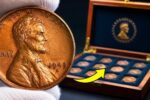
This week’s sales data suggests that numismatic demand can sometimes outperform bullion, especially when a particular release captures the imagination of collectors.
Market implications and future outlook
The current trend raises questions about where the market is heading. Will collectors continue to dominate weekly sales charts, or will bullion reclaim its usual position?

Much will depend on broader economic conditions. If gold prices stabilize or decline, demand for Gold Eagles could rebound quickly. Investors who have been waiting on the sidelines may re enter the market, driving sales higher.
At the same time, the success of the Wilson medal may encourage the United States Mint to expand its offerings in the commemorative and collectible space. Future releases in the presidential series or similar themed collections could attract even more attention.

Another factor to watch is the behavior of younger buyers. New generations of collectors often value storytelling, design, and uniqueness, which aligns well with commemorative medals. This demographic shift could further boost demand for numismatic products in the long run.
A reflection of changing buyer preferences
Ultimately, the latest sales report reflects evolving preferences among buyers. While gold remains a cornerstone of wealth preservation, it is not the only driver of demand in the precious metals market.

Collectors are proving that emotional and historical connections can rival financial motivations. The popularity of the Woodrow Wilson Presidential Silver Medal demonstrates that people are willing to invest in items that offer more than just intrinsic value.
At the same time, the dip in American Gold Eagle sales serves as a reminder of how sensitive bullion demand is to market conditions. Investors are cautious, strategic, and responsive to economic signals.
Conclusion
The rise of the Woodrow Wilson Presidential Silver Medal to the top of the United States Mint’s weekly sales chart marks a notable moment in the precious metals landscape. It highlights the growing importance of collectors and the enduring appeal of history themed numismatic products.
Meanwhile, the decline in American Gold Eagle sales underscores the challenges facing bullion in a fluctuating economic environment. Together, these trends paint a picture of a market that is both diverse and dynamic.
As the weeks ahead unfold, it will be interesting to see whether this shift continues or if bullion products regain their dominance. For now, one thing is clear. The balance between investment and collectibility is evolving, and both sides are playing a crucial role in shaping the future of the market.