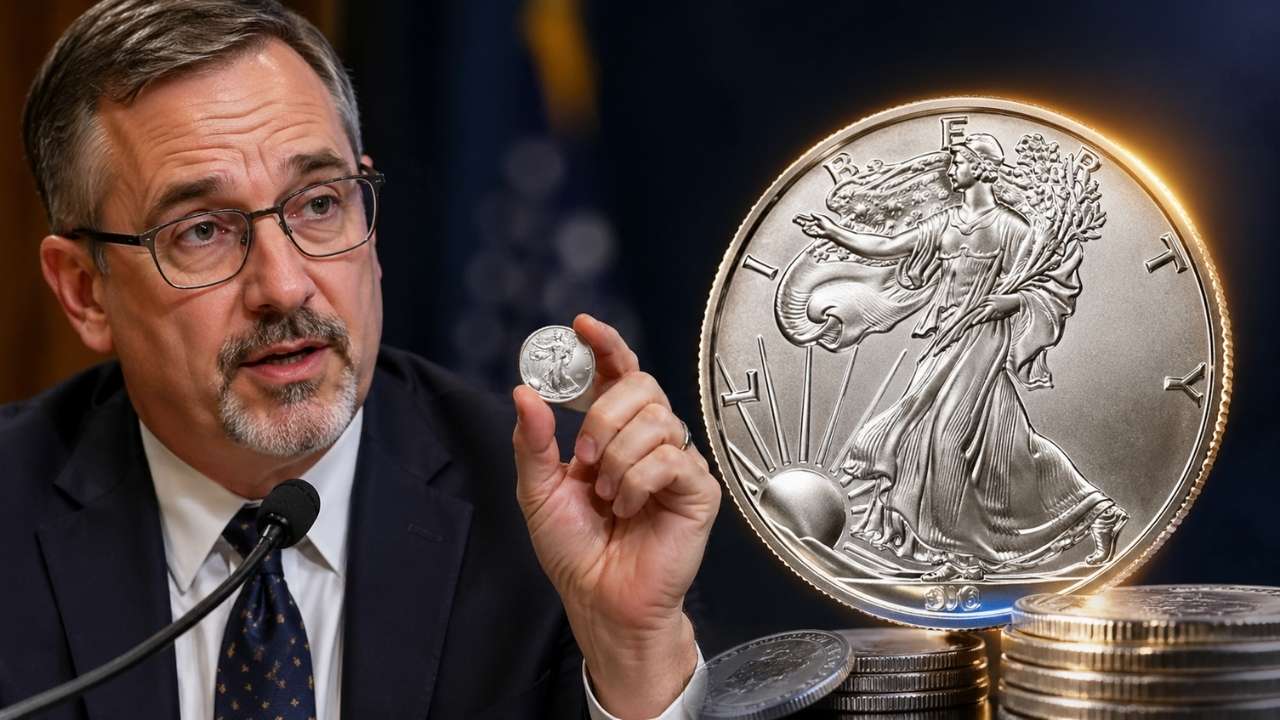
U.S. Mint Director Paul Hollis Proposes: In a surprising and forward-looking move, U.S. Mint Director Paul Hollis has introduced a concept that could reshape how everyday Americans interact with precious metals. The proposal centers on the idea of fractional silver coins, smaller denomination coins made of silver that would be more accessible and practical for daily transactions and investment. At a time when economic uncertainty and inflation concerns remain part of public discussion, this idea has sparked curiosity among collectors, investors, and policymakers alike.
The Concept of Fractional Silver Coins
Fractional silver coins are not a new idea in the broader history of currency, but their reintroduction into modern circulation would mark a significant shift. Traditionally, silver coins in the United States have been produced in standard sizes, often aimed at collectors or investors rather than everyday users. Hollis’s proposal seeks to change that by offering smaller, more affordable units of silver that could serve both as a store of value and a medium of exchange.

These coins could come in denominations such as one tenth ounce, one quarter ounce, or even smaller. By lowering the entry barrier, more people could participate in owning precious metals without needing to invest large sums of money upfront. This democratization of silver ownership is one of the central appeals of the proposal.
Historical Context of Silver Currency
Silver has long played a role in American coinage. Before the mid 20th century, many U.S. coins contained significant amounts of silver. Dimes, quarters, and half dollars were once composed largely of this precious metal. However, rising silver prices and changes in economic policy led to the gradual removal of silver from circulating coins.

The idea of bringing silver back, even in fractional form, carries a sense of nostalgia while also addressing modern financial concerns. It connects the present with a time when tangible assets were directly tied to everyday money, something that many people today find appealing in an increasingly digital economy.
Economic Implications
One of the most discussed aspects of Hollis’s proposal is its potential impact on the economy. Fractional silver coins could serve as a hedge against inflation. When paper currency loses purchasing power, precious metals often retain or even increase in value. By making silver more accessible, individuals could better protect their savings.

However, there are also challenges. Producing silver coins is more expensive than minting standard base metal coins. The U.S. Mint would need to carefully balance production costs with the coins’ face value and market price. Additionally, integrating these coins into everyday commerce would require widespread acceptance by businesses and consumers.
Appeal to Investors and Collectors
The proposal has generated excitement among both investors and coin collectors. For investors, fractional silver coins offer flexibility. Instead of buying large silver bars or full ounce coins, individuals could purchase smaller units based on their budget and needs. This could make it easier to buy, sell, and trade silver in smaller increments.

Collectors, on the other hand, are drawn to the artistic and historical possibilities. New designs, limited editions, and commemorative releases could make these coins highly desirable. The combination of intrinsic metal value and collectible appeal could create a strong market demand.
Practical Uses in Daily Life
A key question surrounding the proposal is whether fractional silver coins could realistically be used in everyday transactions. While the idea is appealing, practical challenges remain. Fluctuating silver prices could make it difficult to assign a stable value to the coins. For example, the market value of the silver in a coin might differ from its face value, leading to confusion in pricing and transactions.

Despite these challenges, there are niche scenarios where such coins could thrive. Farmers markets, local trading communities, and alternative economic networks might adopt them more readily. In these settings, the intrinsic value of silver could be seen as an advantage rather than a complication.
Technological and Design Considerations
If the proposal moves forward, the design and production of fractional silver coins would require careful planning. The coins would need to be durable, secure, and visually appealing. Anti counterfeiting measures would be essential, especially given the higher intrinsic value of silver compared to standard coin materials.

Advancements in minting technology could play a crucial role. Techniques such as micro engraving, advanced alloys, and digital authentication features could help ensure the integrity and trustworthiness of the coins. These innovations could also make the coins more attractive to a tech savvy generation.
Public and Political Response
As with any significant policy proposal, public and political reactions have been mixed. Supporters argue that fractional silver coins could empower individuals, promote financial literacy, and provide a tangible alternative to digital and fiat currencies. They see it as a step toward greater economic resilience.
Critics, however, question the practicality and cost effectiveness of the idea. Some policymakers are concerned about the logistical challenges and the potential impact on existing monetary systems. Others worry that the initiative could divert resources from more pressing economic priorities.
Global Perspective
The concept of using precious metals in smaller denominations is not unique to the United States. Several countries have experimented with similar ideas, often targeting investors and collectors rather than everyday users. Observing these international examples could provide valuable insights into what might work and what challenges to expect.

If implemented successfully, the U.S. could set a precedent that influences other nations. Fractional silver coins might become part of a broader trend toward diversifying currency systems and offering alternatives to traditional money.
The Future of Money
At its core, Hollis’s proposal raises important questions about the future of money. In an era dominated by digital payments, cryptocurrencies, and central bank policies, the idea of returning to tangible, metal based currency may seem unconventional. Yet, it also reflects a growing desire for stability, transparency, and control over personal wealth.

Fractional silver coins could coexist with digital systems, offering a hybrid approach that combines the benefits of both. They would not replace existing currencies but rather complement them, providing an additional option for those who value physical assets.
Conclusion
The proposal by U.S. Mint Director Paul Hollis to introduce fractional silver coins is both ambitious and thought provoking. It taps into historical traditions while addressing modern economic concerns. Although challenges remain, the idea has opened up a meaningful conversation about accessibility, financial security, and the evolving nature of currency.

Whether or not the concept becomes a reality, it has already succeeded in capturing attention and sparking debate. As discussions continue, one thing is clear: the way people think about money is changing, and innovative ideas like this are helping to shape what comes next.