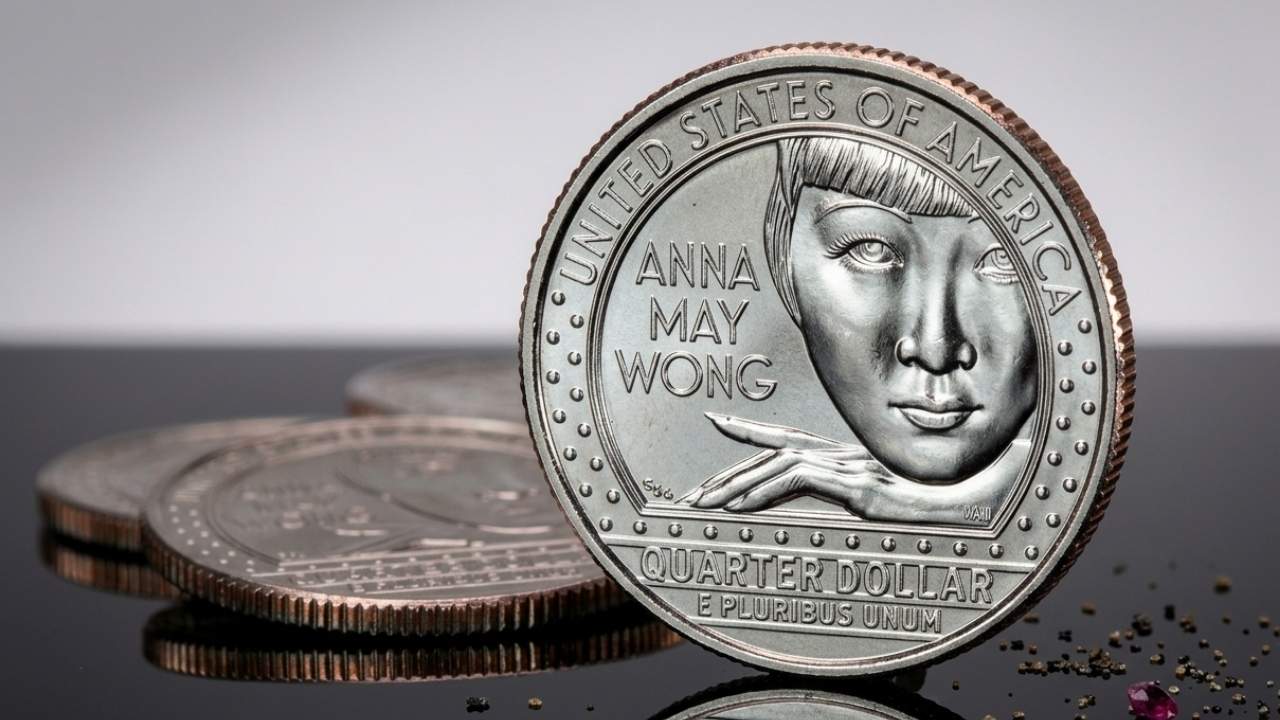
U.S. Mint Produces 396 Million: The United States Mint has released its latest production figures, revealing that nearly 396 million coins were struck for circulation in May. This steady output reflects the ongoing demand for physical currency in everyday transactions, even in a time when digital payments continue to grow in popularity. While many people rely on cards and mobile wallets, coins remain an essential part of the economy, especially for small purchases, vending machines, and public transportation systems.
The production numbers give a clear snapshot of how the Mint balances supply with demand across different denominations. Each month, adjustments are made based on economic activity, seasonal trends, and the needs of financial institutions. The May figures show a consistent approach, with a focus on the most widely used coins in circulation.

Breakdown of Coin Production
Looking at the numbers more closely, pennies made up the largest share of production. This is not surprising, as the one cent coin continues to dominate in volume despite ongoing debates about its relevance. Nickels followed, with a moderate output that reflects their steady use in daily transactions.
Dimes and quarters accounted for a significant portion as well, with quarters typically leading due to their importance in both circulation and collector interest. The continued release of themed quarters has also helped maintain strong demand. These coins often attract attention not just from collectors but from the general public, who enjoy seeing new designs in everyday use.

Interestingly, no half dollars or dollar coins were produced for general circulation during the month. This trend has been consistent for years, as these denominations are used less frequently in daily commerce. Most of their production is aimed at collectors rather than widespread distribution.
Why Coin Production Still Matters
In an increasingly digital world, it might seem surprising that hundreds of millions of coins are still being produced each month. However, physical currency continues to play a vital role in the economy. Coins are especially important in areas where digital infrastructure is limited or where cash transactions remain the norm.

Coins also provide a level of reliability that digital systems cannot always guarantee. Power outages, technical failures, or network issues can disrupt electronic payments, but coins remain usable in any situation. This reliability makes them an essential backup in the financial system.
Additionally, certain sectors depend heavily on coins. Laundromats, parking meters, vending machines, and transit systems all rely on coin-operated mechanisms. While some of these services are gradually adopting digital alternatives, coins remain deeply embedded in their operations.

The Ongoing Debate Over the Penny
One of the most discussed aspects of coin production is the continued minting of the penny. Critics argue that the cost of producing a one cent coin often exceeds its face value, making it economically inefficient. Supporters, on the other hand, believe that eliminating the penny could lead to price rounding and inconvenience in cash transactions.
Despite the debate, the penny remains a staple of U.S. currency. Its high production volume reflects its continued use, even as opinions about its future remain divided. The May figures reinforce the idea that, for now, the penny is here to stay.

Seasonal Trends and Economic Signals
Coin production is not random. It often reflects broader economic patterns and seasonal trends. For example, demand for coins can increase during the summer months when travel, tourism, and outdoor activities are at their peak. Events, festivals, and increased retail activity all contribute to higher coin usage.
The May production numbers suggest a stable economic environment with consistent demand across key denominations. While not a dramatic increase or decrease, the figures indicate that the Mint is maintaining a balanced approach to meet the needs of the economy.

These trends are closely monitored by analysts, as they can provide subtle insights into consumer behavior. A rise in coin demand may संकेत increased cash transactions, while a decline could point toward greater adoption of digital payments.
The Role of Collectors
Another important factor in coin production is the influence of collectors. While the majority of coins are produced for circulation, special designs and limited releases often attract significant interest from numismatists. The U.S. Mint regularly introduces new designs, particularly for quarters, which can drive both public engagement and collector demand.

Collectors play a unique role in the lifecycle of coins. Many coins are removed from circulation and preserved, reducing the overall supply available for everyday use. This, in turn, can influence future production decisions.
The balance between producing coins for circulation and for collectors is a delicate one. The Mint must ensure that it meets the practical needs of the economy while also catering to the interests of collectors who value coins for their historical and artistic significance.

Looking Ahead
As the year progresses, it will be interesting to see how coin production evolves. Factors such as inflation, consumer spending, and technological advancements will all play a role in shaping demand. While digital payments are expected to continue growing, coins are unlikely to disappear anytime soon.
The May production figures serve as a reminder that traditional forms of currency still have a place in modern society. The steady output of nearly 396 million coins highlights the enduring relevance of physical money, even as the financial landscape continues to change.

In the coming months, future reports from the U.S. Mint will provide further insights into these trends. Whether production increases, decreases, or remains stable, each set of figures tells a story about how people interact with money in their daily lives.
Conclusion
The production of 396 million coins in May reflects a stable and ongoing demand for physical currency in the United States. Despite the rapid rise of digital payment methods, coins continue to serve essential functions across various sectors of the economy.

From pennies to quarters, each denomination plays a role in keeping transactions smooth and accessible. While debates about the future of certain coins continue, their presence in everyday life remains undeniable.
Ultimately, coin production is more than just a numbers game. It is a reflection of economic activity, consumer habits, and the balance between tradition and innovation. As long as there is a need for tangible currency, the steady rhythm of coin production will continue to be an important part of the financial system.