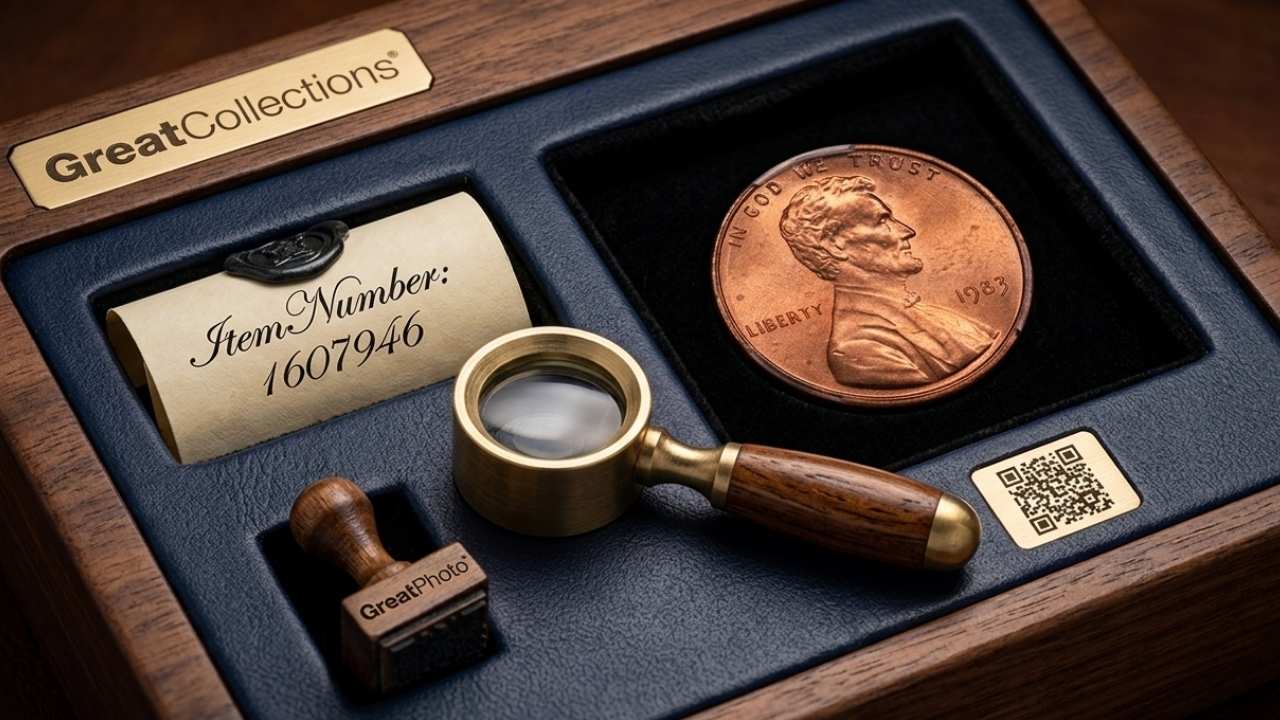
1983 Cent Mistakenly Struck on Bronze: Coin collecting has always been a fascinating hobby, blending history, art, and the thrill of discovery into a single pursuit. Among the countless coins produced every year, only a few stand out as truly extraordinary. These are the coins that tell unusual stories, capture rare moments in minting history, or showcase errors that were never meant to leave the production line. One such remarkable piece has recently captured the attention of collectors and enthusiasts worldwide. The 1983 cent mistakenly struck on a bronze planchet has emerged as a rare and intriguing find, now featured at a prestigious auction.
This coin is more than just a minting error. It represents a unique intersection of history, technology, and chance. For collectors, such pieces are not only valuable but also deeply meaningful, offering a tangible connection to the past. The story behind this coin provides insight into how small changes in production processes can lead to unexpected outcomes, and how those outcomes can later become prized treasures.

The Transition Year of 1983
To fully appreciate the significance of this coin, it is important to understand the historical context of 1983. This was a transitional period for United States coinage, particularly for the one-cent coin. Due to rising copper prices, the composition of the cent had already changed in 1982 from primarily copper to a zinc core with a thin copper plating. This shift was made to reduce production costs while maintaining the coin’s familiar appearance.
By 1983, the new zinc-based planchets had become standard. The older bronze planchets, which were composed mostly of copper, were no longer supposed to be in use. However, in large-scale industrial processes like coin minting, it is not uncommon for a few remnants of older materials to remain in the system. These leftover planchets can occasionally slip through quality control and be struck with new designs or dates.

This is exactly what appears to have happened with the 1983 bronze cent. Somehow, a bronze planchet from the previous era found its way into the minting process and was struck with the 1983 design. The result was a coin that should not exist under normal circumstances.
Understanding Planchet Errors
A planchet is the blank metal disc that is struck to create a coin. Errors involving planchets are among the most fascinating types of minting mistakes because they often involve the wrong metal, size, or composition. In this case, the error is particularly significant because it involves a complete mismatch between the intended material and the actual one used.

Planchet errors can occur for several reasons. Sometimes, leftover materials from previous production runs remain in the machinery. In other cases, planchets intended for different denominations or compositions may become mixed. While quality control measures are in place to prevent such issues, the sheer volume of coins produced means that occasional mistakes are inevitable.
What makes the 1983 bronze cent especially rare is the timing. By that year, bronze planchets were no longer part of the regular production process. This dramatically reduces the likelihood of such an error occurring, making any surviving examples incredibly valuable.

Identifying the 1983 Bronze Cent
For collectors, identifying a genuine 1983 bronze cent requires careful examination. The most noticeable difference lies in the coin’s weight. A standard 1983 zinc cent typically weighs about 2.5 grams, while a bronze cent weighs approximately 3.11 grams. This difference may seem small, but it is significant enough to be detected with a precise scale.
In addition to weight, the color and sound of the coin can provide clues. Bronze cents tend to have a richer, more uniform copper tone compared to the lighter appearance of zinc-based coins. When dropped gently on a hard surface, bronze coins also produce a distinct ringing sound, whereas zinc coins create a duller tone.

However, visual inspection alone is not enough to confirm authenticity. Professional grading and authentication are essential to verify that the coin is indeed struck on a bronze planchet and not altered or counterfeit. This step is crucial, especially given the high value associated with such rare errors.
The Role of Auctions in Coin Collecting
Auctions play a vital role in the world of numismatics. They provide a platform for collectors to buy and sell rare coins, often setting benchmark prices that influence the broader market. When a coin as unique as the 1983 bronze cent appears at auction, it naturally attracts significant attention.

The inclusion of this coin in a well-known auction highlights its importance and authenticity. Auction houses typically conduct thorough research and verification before listing such items, ensuring that buyers can bid with confidence. The competitive nature of auctions can also drive prices higher, reflecting the true demand for rare pieces.
For collectors, participating in an auction is both exciting and challenging. It requires knowledge, strategy, and sometimes a willingness to take risks. The presence of a rare error coin adds an extra layer of intrigue, as bidders recognize the opportunity to സ്വന്ത a piece of numismatic history.

Why Error Coins Are So Valuable
Error coins hold a special place in the hearts of collectors. Unlike standard coins, which are produced in large quantities, error coins are often unique or exist in very limited numbers. This scarcity is one of the primary factors driving their value.
In addition to rarity, error coins also tell compelling stories. They reveal the human and mechanical imperfections behind the minting process, offering a glimpse into how coins are made. Each error is a reminder that even in highly controlled environments, unexpected outcomes can occur.

The 1983 bronze cent exemplifies these qualities. Its existence challenges the assumption that all coins from a particular year share the same composition. For collectors, owning such a coin is not just about its monetary value but also about its historical and educational significance.
The Journey of a Rare Coin
Every rare coin has a journey, and the 1983 bronze cent is no exception. From its accidental creation at the mint to its eventual discovery, each step adds to its story. Many such coins remain hidden for years, often circulating unnoticed before being identified by a keen-eyed collector.
The discovery process itself can be thrilling. It often involves careful examination of everyday coins, a practice known as “coin hunting.” While most finds are common, the possibility of uncovering something extraordinary keeps collectors motivated.
Once discovered, a rare coin typically undergoes authentication and grading. This process not only confirms its legitimacy but also determines its condition, which plays a significant role in its value. From there, the coin may enter the market through private sales or auctions, where it gains recognition among collectors.
The Impact on the Numismatic Community
The appearance of a rare coin like the 1983 bronze cent has a ripple effect throughout the numismatic community. It sparks discussions, encourages research, and often leads to renewed interest in similar coins. Collectors may revisit their own collections, searching for overlooked treasures.
Such discoveries also contribute to the body of knowledge within the field. They help refine our understanding of minting processes and highlight the importance of careful observation. In some cases, they can even lead to the identification of previously unknown varieties or errors.
For new collectors, stories like this serve as inspiration. They demonstrate that valuable finds are still possible and that the hobby continues to evolve. This sense of possibility is one of the reasons coin collecting remains so popular.
Tips for Aspiring Collectors
For those interested in exploring the world of coin collecting, the story of the 1983 bronze cent offers valuable lessons. First and foremost, attention to detail is essential. Small differences in weight, color, or design can indicate something unusual.
Investing in basic tools such as a digital scale and magnifying glass can greatly enhance the collecting experience. These tools allow for more accurate examination and increase the chances of identifying rare coins.
Education is equally important. Learning about coin history, minting processes, and common errors can provide a strong foundation. Joining collector communities or attending coin shows can also offer opportunities to learn from experienced enthusiasts.
Finally, patience is key. Rare finds are uncommon, and building a meaningful collection takes time. However, the journey itself is rewarding, filled with opportunities to learn and discover.
Conclusion
The 1983 cent mistakenly struck on a bronze planchet is a remarkable example of how errors can transform ordinary objects into extraordinary treasures. Its presence at auction not only highlights its rarity but also underscores the enduring appeal of coin collecting.
This coin serves as a reminder that history is often shaped by unexpected events. What began as a simple mistake in the minting process has become a prized artifact, capturing the imagination of collectors around the world.