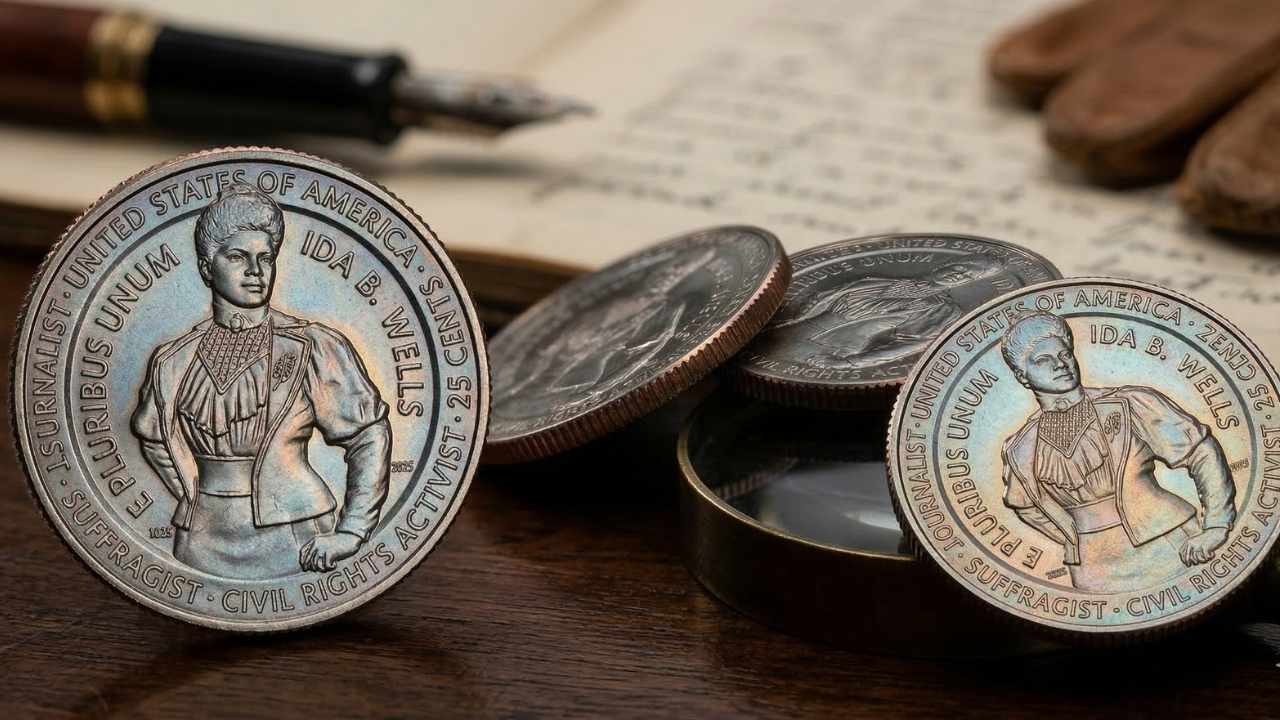
U.S. Mint Produces 670.42 Million Coins: The United States Mint has released its latest production figures, revealing that in March 2026 it struck 670.42 million coins. This brings the year-to-date total to an impressive 1.88 billion coins. These numbers highlight the scale of operations at the Mint and provide insight into the demand for circulating coinage across the nation.
Understanding Monthly Production
Monthly production reports from the Mint serve as a barometer of economic activity and consumer demand. March’s output of over 670 million coins reflects the ongoing need for currency in everyday transactions. While digital payments continue to grow, coins remain essential for commerce, particularly in small-scale purchases and cash-based economies.

Year-to-Date Totals
By the end of March, the Mint had produced 1.88 billion coins in 2026. This figure underscores the consistency of production and the importance of maintaining a steady supply of coinage. The year-to-date total also allows analysts to compare current trends with previous years, offering a broader perspective on economic conditions.
Breakdown of Coin Types
Although the report emphasizes total production, the Mint’s output typically includes a mix of denominations. Pennies, nickels, dimes, and quarters make up the bulk of circulation coins. Quarters often account for a significant portion due to their popularity and utility. Special programs, such as commemorative designs, can also influence production numbers.

Economic Implications
Coin production is closely tied to economic activity. A higher demand for coins often reflects robust consumer spending and circulation. Conversely, declines in production may signal shifts toward digital transactions or reduced cash usage. March’s figures suggest that coins remain vital in the U.S. economy despite technological changes.
Historical Comparisons
Comparing 2026 figures with previous years provides valuable context. In some years, coin production has exceeded two billion units by March, while in others it has lagged. The current total of 1.88 billion indicates a healthy pace, aligning with long-term averages and demonstrating resilience in coin demand.

The Role of the Mint
The U.S. Mint plays a crucial role in ensuring that the nation’s currency supply meets demand. Its facilities operate with precision and efficiency, producing billions of coins annually. Beyond circulation, the Mint also creates numismatic products, bullion coins, and commemoratives, serving both practical and collector markets.
Collector Interest in Production Reports
While production figures primarily serve economic purposes, collectors also pay close attention. Limited mintages or unusual production patterns can influence numismatic value. For example, a coin produced in lower quantities may become a sought-after rarity in the future.

Regional Circulation and Distribution
Coins produced by the Mint are distributed through the Federal Reserve to banks across the country. Regional demand can vary, with some areas requiring more coinage due to higher cash usage. March’s production ensured that all regions remained adequately supplied.
Challenges in Coin Production
Producing billions of coins annually is not without challenges. Rising metal costs, logistical complexities, and evolving consumer habits all impact operations. The Mint must balance efficiency with quality, ensuring that each coin meets strict standards while adapting to changing conditions.

The Future of Coinage
As digital payments expand, questions arise about the future of physical currency. Yet March’s figures demonstrate that coins remain indispensable. Their durability, convenience, and cultural significance ensure they will continue to play a role in commerce for years to come.
Conclusion
The U.S. Mint’s March 2026 report, with 670.42 million coins produced and 1.88 billion year-to-date, highlights the enduring importance of coinage in the American economy. These figures reflect not only operational efficiency but also the continued reliance on coins in daily life. Whether viewed from an economic, historical, or numismatic perspective, the report underscores the Mint’s vital role in sustaining the nation’s currency system.