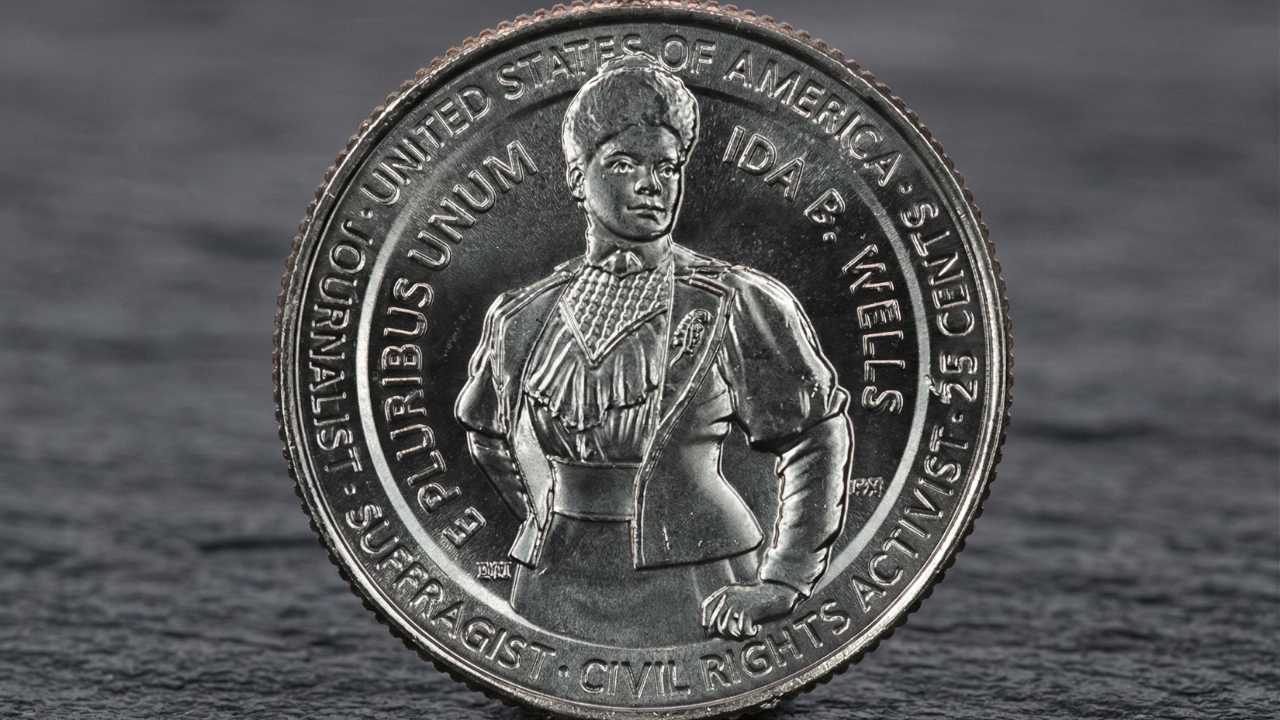
U.S. Mint Produces 657.95 Million Coins in May: The U.S. Mint reported producing 657.95 million coins in May, with nearly one-third of that total being pennies. This figure highlights both the scale of coin production in the United States and the continuing demand for small denominations in everyday transactions. While digital payments dominate headlines, the Mint’s output shows that physical currency remains essential for circulation.
Understanding the Scale of Coin Production
Coin production in the United States is a massive operation. The Mint’s facilities in Philadelphia and Denver are responsible for striking billions of coins each year. In May alone, more than half a billion coins rolled off the presses, destined for banks, businesses, and ultimately consumers. The sheer volume underscores the logistical complexity of maintaining a steady supply of coins across the nation.

Why Pennies Still Matter
Despite ongoing debates about eliminating the penny due to its low purchasing power and production cost, demand persists. Retail transactions, vending machines, and cash-based exchanges still rely on pennies to complete exact payments. The Mint’s decision to allocate nearly one-third of May’s output to pennies reflects this enduring need. For many Americans, pennies remain a practical tool in daily commerce.
The Economics of Coinage
Producing coins is not just about meeting demand; it also involves balancing costs. The penny, in particular, has long been controversial because it costs more to produce than its face value. Yet, the Mint continues to strike them because removing the denomination would disrupt pricing structures and cash transactions. The May figures illustrate how economic considerations and consumer habits intersect in coinage policy.

Circulation Needs and Banking Systems
Banks play a crucial role in distributing coins to businesses and consumers. When demand spikes—such as during seasonal shopping periods—the Mint adjusts production accordingly. May’s output suggests a steady demand for coins, ensuring that retailers and service providers can make change efficiently. Without this supply, cash transactions would face delays and complications.
Digital Payments vs. Physical Currency
The rise of mobile wallets and contactless payments has led some to predict the decline of coins. However, the Mint’s production numbers tell a different story. Millions of Americans still rely on cash, particularly in rural areas, small businesses, and among populations less integrated into digital banking. Coins remain a backbone of the cash economy, bridging gaps where digital infrastructure is limited.

Historical Context of Coin Production
Coin production has fluctuated over the decades, often reflecting economic conditions. During recessions, demand for coins typically decreases as consumer spending slows. Conversely, periods of growth see higher production. The May 2026 figures fit into a broader historical pattern where pennies consistently represent a significant share of output, despite calls for their elimination.
The Debate Over Eliminating the Penny
Economists and policymakers have long debated whether the penny should be retired. Critics argue that it wastes resources, while supporters claim it is necessary for pricing accuracy. The Mint’s continued production of pennies demonstrates that, for now, practicality outweighs reform. Until businesses and consumers adapt to rounding systems, the penny remains embedded in U.S. commerce.

Environmental Considerations
Coin production also raises environmental questions. Mining metals, transporting raw materials, and operating minting facilities consume energy and resources. The penny, made primarily of zinc with a copper coating, has been scrutinized for its environmental footprint. Yet, the Mint has taken steps to improve efficiency and sustainability, ensuring that coinage remains viable in the long term.
The Role of Quarters, Nickels, and Dimes
While pennies dominate headlines, other denominations are equally important. Quarters, for example, are essential for vending machines, laundromats, and parking meters. Nickels and dimes facilitate everyday transactions where small change is required. May’s production figures included millions of these coins, reflecting their indispensable role in circulation.

Coin Shortages and Public Impact
Recent years have seen temporary coin shortages, particularly during the pandemic when circulation slowed. Businesses struggled to provide change, prompting renewed attention on coin production. The Mint’s May output helps prevent such shortages, ensuring that coins remain available for consumers and retailers alike. This proactive approach stabilizes the cash economy.
Cultural Significance of Coins
Beyond their economic function, coins hold cultural value. Commemorative designs, state quarters, and special issues connect citizens to history and heritage. Even the humble penny, featuring Abraham Lincoln, serves as a reminder of national identity. The Mint’s ongoing production sustains this cultural connection while meeting practical needs.

Future of Coin Production
Looking ahead, coin production will likely continue to adapt to changing consumer habits. While digital payments grow, coins will remain necessary for specific contexts. The Mint may explore new materials, designs, or efficiencies to balance cost and demand. The May figures suggest that, at least for now, coins remain firmly entrenched in American life.
Conclusion
The U.S. Mint’s production of 657.95 million coins in May, with nearly one-third being pennies, highlights the enduring role of physical currency in the economy. Despite debates over cost and relevance, coins continue to meet circulation needs, support cash transactions, and carry cultural significance. As technology evolves, coins may share space with digital payments, but their presence remains vital for millions of Americans.