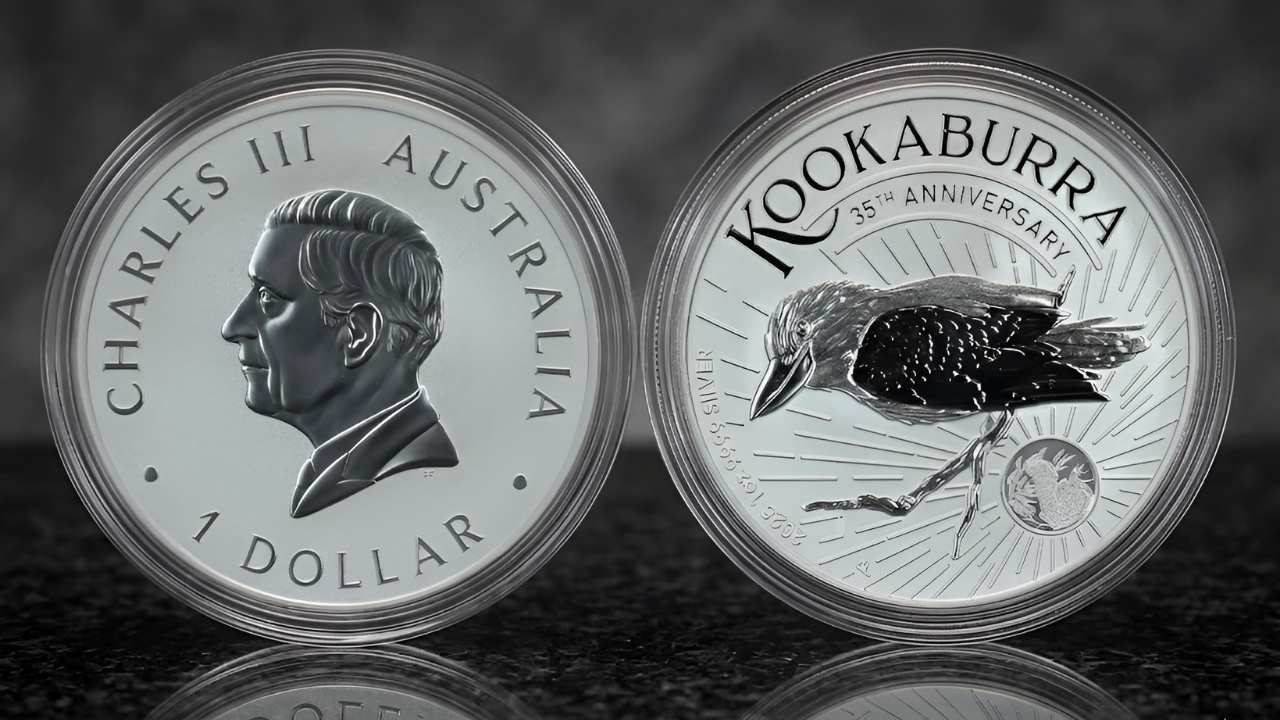
Perth Mint Reports Mixed Australian Bullion: April delivered a mixed performance for the Perth Mint, reflecting the shifting dynamics of global precious metals demand. As one of the most respected sovereign mints in Australia, the institution plays a significant role in supplying gold and silver bullion products to investors worldwide. The latest sales figures reveal a divergence between gold and silver demand, highlighting how market sentiment, pricing trends, and global economic uncertainty continue to shape buying behavior.
While bullion demand remains structurally strong in the long term, April demonstrated that monthly fluctuations are inevitable. Investors reacted to price volatility, currency movements, and macroeconomic signals, creating a sales pattern that was neither uniformly strong nor dramatically weak. Instead, it presented a nuanced picture of selective buying and cautious positioning.

Gold Bullion Sales Show Moderate Momentum
Gold bullion sales in April indicated steady but not explosive demand. Compared with earlier months that saw sharp surges driven by safe haven buying, April reflected a more measured investor approach. Some buyers appeared to pause after recent price rallies, choosing to wait for potential pullbacks before increasing their allocations.
Gold prices have remained elevated in the global market, supported by geopolitical tensions and expectations surrounding central bank policy decisions. However, when prices climb rapidly, retail investors often become price sensitive. This dynamic likely contributed to the moderate sales pace.

International demand remained a core driver. Investors across North America, Europe, and Asia continue to view Australian gold coins and minted bars as high quality, trusted products. The reputation of refining excellence and strict purity standards ensures consistent global appeal.
Despite month to month variability, gold bullion demand remains resilient. Central banks worldwide continue to accumulate gold reserves, reinforcing the broader bullish narrative that influences retail investors. April’s numbers suggest consolidation rather than contraction.

Silver Sales Face Softer Demand
In contrast to gold’s relative stability, silver bullion sales experienced softer demand in April. Silver often behaves differently from gold due to its dual role as both a precious metal and an industrial commodity. Economic uncertainty can impact industrial outlooks, which in turn influences investor appetite for silver.
Some investors may have shifted capital from silver into gold, perceiving gold as the more stable safe haven asset. Additionally, silver prices have shown volatility, which can either attract speculative interest or discourage conservative buyers. In April, it appears that caution outweighed aggressive accumulation.

Seasonal patterns may also have contributed. Bullion buying does not follow a perfectly linear trend, and some months naturally experience slower retail activity. Nevertheless, long term fundamentals for silver remain intact, particularly given its importance in renewable energy technologies and electronics manufacturing.
Market Factors Influencing April Performance
Several broader economic forces shaped bullion demand during April. Inflation expectations, currency fluctuations, and interest rate speculation all played crucial roles. When interest rates are perceived to remain higher for longer, some investors reduce exposure to non yielding assets such as gold and silver.

At the same time, persistent global debt concerns and geopolitical uncertainty continue to support long term precious metals ownership. This push and pull effect explains the mixed nature of April’s sales data.
Currency exchange rates also matter significantly for international buyers. A weaker Australian dollar can make bullion products more attractive to overseas investors, while currency strength can have the opposite effect. These subtle financial variables influence monthly outcomes more than many casual observers realize.

Investor Psychology and Buying Behavior
Investor psychology remains central to understanding bullion demand. During periods of rapid price appreciation, some buyers fear missing out and rush to purchase. Conversely, when prices stabilize or fluctuate narrowly, purchasing enthusiasm can cool temporarily.
April’s data suggests a market in assessment mode. Rather than reacting emotionally, many investors appeared to evaluate macroeconomic signals carefully. This cautious but engaged stance is often characteristic of mature bullion markets.

Long term investors tend to accumulate on dips, focusing less on short term volatility and more on portfolio diversification. Short term traders, however, may reduce activity when price momentum slows. The balance between these two groups can significantly impact monthly sales totals.
Global Reputation and Production Strength
Operating from Perth, the mint has built a global reputation for craftsmanship and security. Its gold and silver coins, including internationally recognized bullion series, are distributed to markets around the world.

The institution’s refining capabilities and quality assurance standards continue to inspire confidence among both retail and institutional buyers. Even in months when sales show mixed results, the long term credibility of the brand remains strong.
Supply chain stability also contributes to investor trust. In recent years, global disruptions have highlighted the importance of reliable sourcing and production. The ability to maintain consistent output, even during uncertain times, reinforces the appeal of Australian bullion products.

Comparing April to Previous Months
When compared to earlier months marked by sharp spikes in gold buying, April appears more balanced. Previous surges were driven by heightened geopolitical risk and aggressive monetary easing expectations. As those immediate catalysts moderated, demand naturally recalibrated.
This recalibration should not be interpreted as weakening structural interest. Instead, it reflects the cyclical nature of commodity markets. Precious metals rarely move in a straight line, either in price or in physical sales volume.

Year over year comparisons often provide clearer insight than month to month analysis. If broader economic uncertainty persists, bullion demand is likely to remain supported despite temporary slowdowns.
Outlook for the Coming Months
Looking ahead, several factors could shape future bullion sales. Inflation data releases, central bank commentary, and global political developments will remain critical. Any renewed volatility in equity markets could quickly reignite safe haven demand.
Silver may experience renewed interest if industrial activity strengthens or if investors perceive it as undervalued relative to gold. Meanwhile, gold’s role as a portfolio hedge continues to anchor its long term appeal.
Retail investors are increasingly educated about asset diversification. Precious metals serve as a hedge against currency depreciation and systemic risk. As global economic complexity deepens, this strategic role becomes even more relevant.
Conclusion
April’s mixed bullion sales performance illustrates the dynamic and evolving nature of precious metals markets. Gold maintained moderate strength, supported by its safe haven status, while silver experienced comparatively softer demand amid cautious sentiment.
Such fluctuations are not unusual. They reflect changing investor psychology, price sensitivity, and broader economic signals. The underlying fundamentals supporting precious metals ownership remain firmly in place.
For observers and investors alike, April serves as a reminder that bullion markets move in cycles. Temporary moderation does not negate long term demand. Instead, it highlights the importance of perspective, patience, and strategic allocation in navigating the ever changing landscape of global precious metals investing.