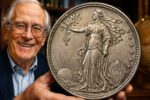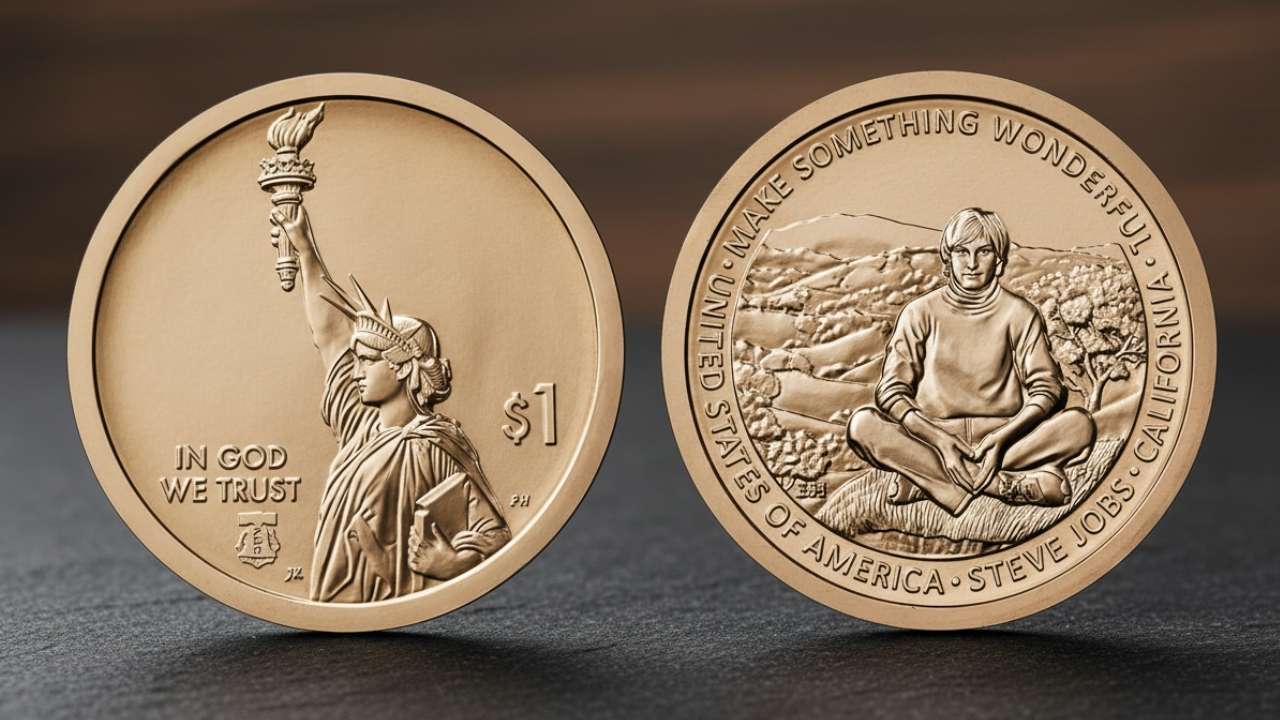
U.S. Mint Invites Artists to Design: The United States Mint has long been a symbol of national pride, producing coins and medals that reflect the country’s heritage, values, and evolving identity. Now, the Mint is extending an extraordinary invitation to artists across the nation to contribute their vision to future designs. This opportunity is not just about creating currency; it is about shaping history through art. Every coin and medal tells a story, and the Mint is opening its doors to new voices who can help narrate America’s journey in fresh and inspiring ways.
The Role of the U.S. Mint in American Culture
Since its establishment in 1792, the U.S. Mint has been more than a facility for producing money. It has served as a cultural institution, embedding national symbols, historical figures, and iconic imagery into everyday life. Coins are miniature canvases that travel through millions of hands, carrying with them messages of unity, resilience, and progress. Medals, meanwhile, commemorate achievements, honor service, and celebrate milestones. By inviting artists to design these pieces, the Mint acknowledges the power of creativity in shaping collective memory.
Why Artists Matter in Coin Design
Artists bring imagination, perspective, and storytelling to coinage. A coin is not merely a financial instrument; it is a piece of art that must balance aesthetics with functionality. The challenge lies in creating designs that are visually striking yet practical for minting and circulation. Artists understand symbolism, composition, and the emotional resonance of imagery. Their contributions ensure that coins and medals are not only technically precise but also culturally meaningful. This collaboration between artistry and craftsmanship elevates currency into a form of public art.
The Evolution of Coin Design in America
American coin design has evolved dramatically over the centuries. Early coins featured simple motifs, often inspired by classical European styles. Over time, designs began to incorporate uniquely American themes, such as the bald eagle, Liberty, and portraits of presidents. The twentieth century saw bold innovations, including commemorative coins that highlighted historical events and social progress. Today, coin design reflects a diverse nation, with themes ranging from civil rights to environmental conservation. The Mint’s new initiative continues this evolution by inviting contemporary artists to shape the next chapter.

The Artistic Challenge of Coin Design
Designing a coin or medal is a unique artistic challenge. The canvas is small, the medium is metal, and the design must withstand mass production. Artists must consider scale, relief, and durability while ensuring that the imagery remains clear and impactful. Every line, curve, and symbol must be intentional. The challenge is to convey complex ideas in a compact form, creating designs that resonate with millions of people. This requires not only technical skill but also a deep understanding of cultural symbolism.
Coins as Storytellers of National Identity
Coins are storytellers. They capture moments in history, honor leaders, and symbolize ideals. A coin featuring Liberty speaks to the nation’s founding principles. A medal commemorating military service honors sacrifice and courage. These designs are not arbitrary; they are carefully chosen to reflect the values and aspirations of the American people. By inviting artists to contribute, the Mint ensures that these stories continue to evolve, reflecting the diversity and dynamism of modern America.

The Intersection of Art and Technology
Coin design is where art meets technology. Artists create sketches and models, which are then translated into digital formats for precision engraving. Advanced minting techniques allow for intricate details, textures, and finishes. Yet despite technological advancements, the essence of coin design remains rooted in artistry. Technology enhances the artist’s vision, but it cannot replace the creativity and imagination that drive meaningful design. This partnership between art and technology ensures that coins remain both functional and beautiful.
The Importance of Diversity in Design
America is a nation of diverse cultures, histories, and perspectives. Coin and medal designs must reflect this richness. By inviting artists from different backgrounds, the Mint fosters inclusivity and representation. Diversity in design ensures that coins resonate with all Americans, celebrating shared values while honoring unique contributions. Whether depicting historical figures, cultural symbols, or contemporary themes, diverse designs strengthen national identity and unity.

The Legacy of Iconic Coin Designs
Throughout history, certain coin designs have become iconic. The Buffalo Nickel, the Mercury Dime, and the Walking Liberty Half Dollar are celebrated not only for their monetary value but for their artistic brilliance. These designs endure as cultural treasures, admired by collectors and historians alike. The Mint’s new initiative offers artists the chance to create designs that may one day join this legacy. The opportunity to contribute to such a tradition is both an honor and a responsibility.
The Role of Medals in Commemoration
While coins circulate widely, medals serve a different purpose. They commemorate achievements, honor service, and celebrate milestones. Military medals recognize bravery, while commemorative medals mark historical events. These pieces are deeply symbolic, often treasured by recipients and their families. Designing a medal requires sensitivity, respect, and an understanding of the significance it carries. Artists who contribute to medal design help create lasting symbols of honor and remembrance.

The Future of Coin and Medal Design
The Mint’s invitation to artists signals a forward-looking vision. Future coin and medal designs will not only honor tradition but also embrace innovation. Themes may include environmental sustainability, technological progress, and social justice. Designs may incorporate modern aesthetics while retaining timeless symbolism. The future of coin design is dynamic, reflecting a nation that continues to evolve. Artists who participate in this initiative will help shape how future generations perceive American identity.
The Artist’s Journey in Coin Design
For artists, participating in coin design is a unique journey. It begins with research, exploring historical themes, cultural symbols, and national values. It continues with sketches, models, and collaboration with Mint engravers. The process requires patience, precision, and creativity. The reward is the opportunity to see one’s vision transformed into a tangible piece of history, circulating in millions of hands or treasured as a medal. This journey is both challenging and deeply fulfilling.

Coins as Everyday Art
Coins are everyday art. Unlike paintings or sculptures that reside in galleries, coins travel through daily life. They are exchanged in markets, carried in pockets, and collected by enthusiasts. Their accessibility makes them powerful symbols of shared identity. Every coin is a reminder of the nation’s heritage, values, and creativity. By inviting artists to design coins, the Mint ensures that everyday art continues to inspire and connect people.
The Collector’s Perspective
Collectors view coins and medals as more than currency. They see them as historical artifacts, artistic masterpieces, and cultural treasures. A well-designed coin can become highly sought after, admired for its beauty and significance. Collectors appreciate the artistry, craftsmanship, and symbolism embedded in each piece. The Mint’s initiative will undoubtedly excite collectors, offering new designs that enrich collections and deepen appreciation for numismatic art.
The Global Context of Coin Design
Coin design is not unique to America; it is a global practice. Nations around the world use coins to express identity, honor leaders, and celebrate culture. From ancient civilizations to modern states, coins have served as symbols of power and heritage. The U.S. Mint’s invitation to artists places America within this global tradition, contributing to the ongoing dialogue of coin artistry. By embracing creativity, the Mint ensures that American coins remain distinctive and influential on the world stage.
The Symbolism of Currency
Currency is more than economics; it is symbolism. A coin featuring an eagle represents strength. A medal honoring civil rights reflects justice. These symbols carry meaning beyond monetary value, shaping perceptions and inspiring pride. Artists understand the power of symbolism, using imagery to convey ideas and emotions. By contributing to coin design, artists help shape the symbolic language of the nation’s currency.
The Educational Value of Coin Design
Coin design has educational value. It teaches history, art, and culture. Students who study coins learn about national symbols, historical figures, and artistic techniques. Museums and exhibitions showcase coins as artifacts of heritage. By inviting artists to design coins, the Mint enriches educational opportunities, providing new material for learning and exploration. Coins become not only currency but also tools for education and cultural understanding.
The Emotional Impact of Medals
Medals carry profound emotional impact. A medal awarded for military service represents sacrifice and courage. A commemorative medal honoring a historical event evokes pride and remembrance. These pieces are deeply personal, often cherished for generations. Artists who design medals contribute to this emotional legacy, creating symbols that resonate with individuals and communities. The impact of a well-designed medal extends far beyond its physical form.

The Balance of Tradition and Innovation
Coin and medal design must balance tradition and innovation. Tradition ensures continuity, honoring established symbols and values. Innovation introduces fresh perspectives, reflecting contemporary themes and aesthetics. The Mint’s invitation to artists embraces this balance, encouraging designs that respect heritage while embracing creativity. This dynamic ensures that coins remain relevant, meaningful, and inspiring in a changing world.
Conclusion The Power of Artistic Contribution
The U.S. Mint’s invitation to artists is a powerful acknowledgment of the role of creativity in shaping national identity. Coins and medals are more than currency; they are symbols, storytellers, and works of art. By opening the design process to artists, the Mint ensures that future designs reflect the diversity, dynamism, and imagination of America. This initiative is not just about producing coins; it is about creating history through art. For artists, the opportunity is extraordinary. For the nation, the impact will be lasting.