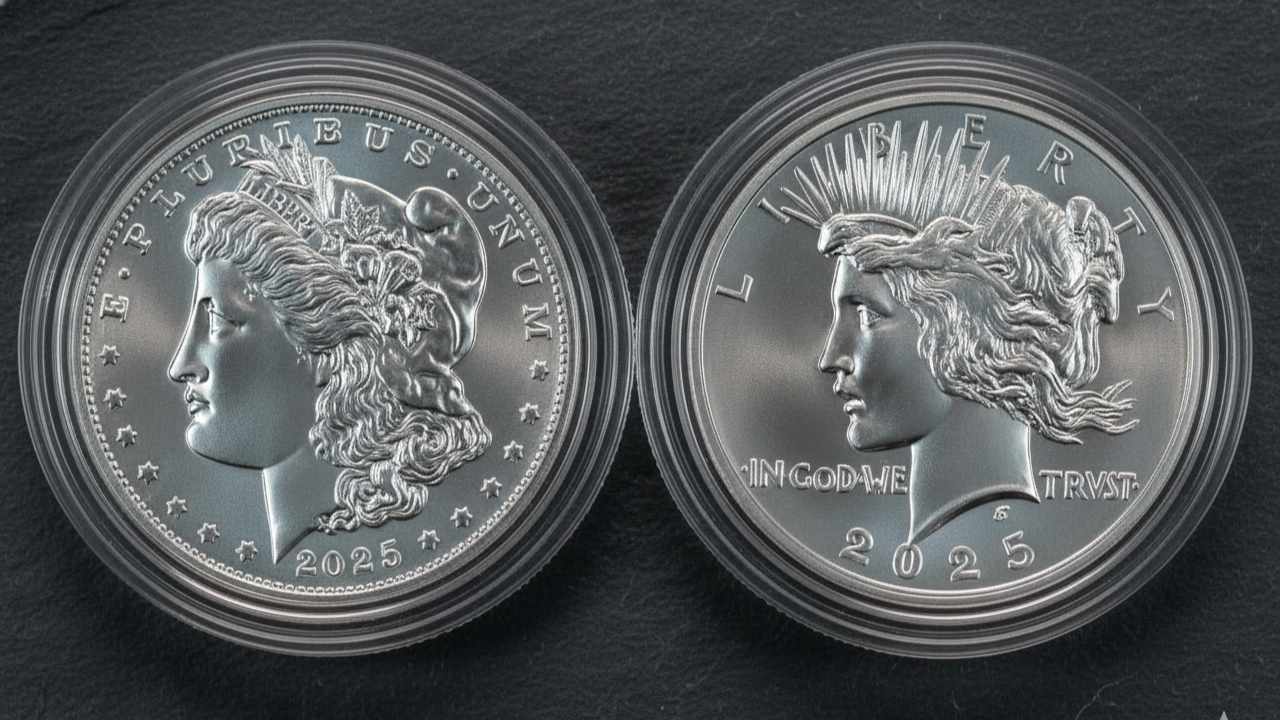
U.S. Mint Silver Prices: Silver has always been a fascinating metal, balancing its role as a monetary asset with its importance in industrial applications. The U.S. Mint, as the official producer of American coinage and bullion, plays a critical role in shaping perceptions of silver’s value. When the Mint adjusts its pricing, collectors and investors take notice. Recently, after a pause in repricing, silver prices surged, sparking renewed interest in both bullion and numismatic markets.
Understanding the Pause
The repricing pause was not just a technical delay but a moment that created anticipation. Collectors and investors speculated about the reasons behind it. Was the Mint waiting for market stability, or was it recalibrating its pricing model to better reflect global silver trends? During this pause, demand remained strong, but many buyers hesitated, expecting adjustments. Once repricing resumed, the surge confirmed that pent-up demand had been waiting to re-enter the market.
The Surge Explained
When the Mint resumed pricing updates, silver products quickly reflected higher values. This surge was not arbitrary. It was driven by multiple factors including rising industrial demand, inflationary pressures, and geopolitical uncertainty. The Mint’s pricing structure, designed to balance production costs with market realities, had to catch up with these external forces. The result was a noticeable increase that rippled across bullion and collector markets.
Collectors and Their Response
For collectors, the surge in silver prices is a double-edged sword. On one hand, new releases become more expensive, making it harder to acquire certain pieces. On the other hand, existing collections gain in value, enhancing their long-term appeal. Many collectors view repricing as validation of their investments, reinforcing the idea that numismatic holdings are not only historical artifacts but also financial assets. The surge has reignited enthusiasm among those who see coin collecting as a blend of passion and prudence.
Investors and Silver’s Appeal
Investors often look to silver as a hedge against inflation and economic uncertainty. The Mint’s repricing reflects broader market conditions, making its products a reliable indicator of silver’s trajectory. The surge in prices has attracted new investors who see silver as undervalued compared to gold. With industrial applications ranging from electronics to renewable energy, silver’s dual role strengthens its investment case. The repricing pause followed by a surge has reinforced confidence in silver’s resilience.
Industrial Demand and Silver’s Future
Silver’s industrial demand continues to grow, particularly in sectors like renewable energy, medical technology, and electronics. Its use in solar panels and advanced devices ensures that demand remains robust. The surge in Mint prices mirrors this reality, as industrial consumption places upward pressure on global silver supplies. Collectors and investors alike recognize that silver’s value is not solely tied to monetary policy but also to technological progress. This dual demand makes silver uniquely positioned in the precious metals landscape.
Historical Patterns of Mint Pricing
The U.S. Mint has long adjusted its pricing to reflect market conditions. Historical patterns show that repricing often coincides with periods of volatility in the metals market. The recent pause and surge fit within this tradition, reminding participants that Mint pricing is both reactive and predictive. By aligning its products with market realities, the Mint ensures that its offerings remain relevant and competitive. This historical perspective reassures collectors and investors that repricing is part of a broader strategy.
Market Psychology and Silver Enthusiasm
Markets are driven not only by fundamentals but also by psychology. The repricing pause created anticipation, and the subsequent surge validated expectations. Collectors and investors often interpret Mint actions as signals of broader trends. The surge reinforced the perception that silver is entering a bullish phase, encouraging further participation. This psychological dynamic amplifies demand, creating a feedback loop that sustains higher prices.
Global Influences on Silver Prices
Silver markets are global, and U.S. Mint pricing reflects international dynamics. Geopolitical tensions, currency fluctuations, and trade policies all influence silver’s trajectory. The surge in Mint prices aligns with global trends, where silver demand has been rising across multiple regions. Collectors and investors recognize that Mint repricing is not isolated but part of a larger narrative shaped by global supply and demand. This interconnectedness adds depth to the surge’s significance.
Looking Ahead
The surge in U.S. Mint silver prices after the repricing pause suggests that silver is entering a period of renewed strength. Collectors will continue to see their holdings appreciate, while investors will find silver an attractive hedge and growth asset. Industrial demand will sustain upward pressure, ensuring that silver remains relevant in both financial and technological contexts. The Mint’s actions serve as a reminder that precious metals are dynamic, reflecting both history and innovation.

Conclusion
The U.S. Mint’s silver prices surged after a repricing pause, capturing the attention of collectors, investors, and industry observers. This surge reflects broader market forces, from industrial demand to global economic uncertainty. For collectors, it validates the value of their holdings. For investors, it reinforces silver’s role as a hedge and growth asset. For the broader market, it signals that silver remains a vital component of both history and progress. The repricing pause and subsequent surge highlight the dynamic nature of numismatics and precious metals, ensuring that silver continues to shine in the global marketplace.