US Mint Silver Sales Surpass 130,000 Despite: Silver has always held a special place in the hearts of investors, collectors, and historians. It is more than just a precious metal. It is a symbol of stability, a hedge against uncertainty, and a tangible store of value that has endured for centuries. In recent months, the United States Mint reported that silver coin sales have surpassed 130,000 units, a remarkable achievement considering the broader market freeze that has gripped commodities and financial sectors. This surge in demand raises important questions about investor sentiment, the role of silver in modern portfolios, and the resilience of precious metals in times of economic turbulence.
The Significance of Silver in Modern Markets
Silver is often overshadowed by gold, yet it plays a unique role in both investment and industry. Unlike gold, which is primarily a store of value, silver has extensive industrial applications. It is used in electronics, solar panels, medical devices, and even in water purification. This dual identity makes silver particularly sensitive to both economic cycles and technological innovation. When investors flock to silver coins and bullion, it is not just a reflection of financial hedging but also a recognition of silver’s enduring utility.

The Context of the Market Freeze
The term market freeze refers to periods when liquidity dries up, trading slows, and investors hesitate to make bold moves. This can be triggered by global uncertainty, geopolitical tensions, or sudden shifts in monetary policy. During such times, traditional assets like equities and bonds may falter, leaving investors searching for safe havens. Silver, along with gold, often becomes the asset of choice. The fact that US Mint silver sales have surged past 130,000 units in such an environment suggests that investors are not only cautious but also proactive in securing tangible assets.
Historical Patterns of Silver Demand
Looking back at history, silver demand has often spiked during crises. In the 1970s, amid inflation and oil shocks, silver prices soared. In 2008, during the global financial crisis, silver became a refuge for those wary of collapsing banks. More recently, the pandemic years saw renewed interest in precious metals as supply chains faltered and uncertainty loomed large. The current surge in US Mint sales fits neatly into this historical pattern, reinforcing the idea that silver remains a timeless hedge against instability.
Investor Psychology and Precious Metals
Investor psychology plays a crucial role in shaping demand for silver. When markets freeze, fear and caution dominate. Investors seek assets that are tangible, universally recognized, and relatively immune to sudden devaluation. Silver coins, produced by the US Mint, embody these qualities. They are backed by government authority, carry intrinsic value, and are easily tradable. The psychological comfort of holding physical silver cannot be underestimated, especially in times when digital assets and complex derivatives seem abstract and risky.
The Role of the US Mint
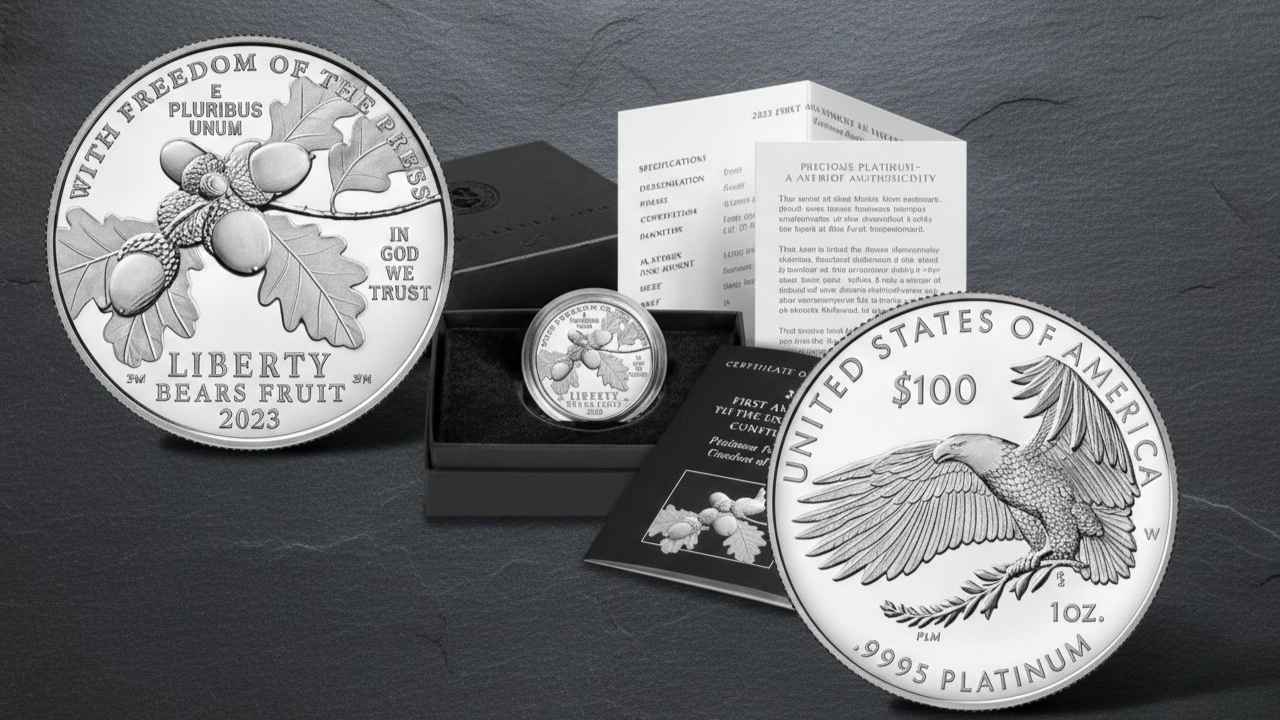
The United States Mint is more than just a producer of coins. It is a trusted institution that symbolizes stability and continuity. Its silver coins, such as the American Silver Eagle, are not only investment vehicles but also cultural artifacts. Each coin carries a design that reflects national identity and pride. When investors purchase these coins, they are not just acquiring silver. They are participating in a tradition that blends patriotism with financial prudence. The Mint’s ability to maintain production and meet demand during a market freeze underscores its importance in the financial ecosystem.

Supply Chain Dynamics
One of the challenges in the silver market is supply chain dynamics. Mining, refining, and distribution are complex processes that can be disrupted by global events. The fact that the US Mint has managed to surpass 130,000 in sales despite these challenges speaks to its resilience and efficiency. It also highlights the broader issue of silver availability. As industrial demand continues to rise, competition between investors and manufacturers may intensify, potentially driving prices higher.
Silver as a Hedge Against Inflation
Inflation remains a persistent concern for economies worldwide. As central banks grapple with interest rates and monetary policy, investors seek assets that can preserve value. Silver, with its intrinsic worth and limited supply, serves as a natural hedge against inflation. The surge in US Mint sales suggests that investors are positioning themselves to weather potential inflationary storms. Unlike fiat currency, which can be printed endlessly, silver retains scarcity and authenticity.
Comparing Silver to Gold
While gold often dominates headlines, silver offers unique advantages. It is more affordable, making it accessible to a wider range of investors. It also has greater industrial utility, which provides additional demand drivers beyond investment. The current surge in silver sales demonstrates that investors are recognizing these advantages. In times of market freeze, diversification becomes essential, and silver provides a complementary hedge alongside gold.
The Impact of Technology on Silver Demand
Technology continues to reshape silver demand. Solar energy, in particular, relies heavily on silver for photovoltaic cells. As the world transitions toward renewable energy, silver’s industrial demand is expected to rise significantly. This adds another layer of appeal for investors. By purchasing silver coins today, they are not only hedging against financial uncertainty but also aligning with long-term technological trends. The US Mint’s sales figures reflect this growing awareness.

Global Perspectives on Silver
Silver demand is not confined to the United States. Across the globe, investors and governments recognize its value. Countries with strong manufacturing bases, such as China and India, have significant silver consumption. In Europe, silver remains a popular investment choice. The surge in US Mint sales is part of a broader global trend, suggesting that silver’s appeal is universal. This global perspective reinforces the idea that silver is not just a local phenomenon but a cornerstone of international finance.
Challenges Facing Silver Investors
Despite its appeal, silver is not without challenges. Price volatility can be significant, driven by both industrial demand and speculative trading. Storage and security also pose practical concerns for those holding physical silver. Moreover, the rise of digital assets has introduced new competition for investor attention. Yet, the fact that US Mint sales have surged past 130,000 units indicates that these challenges are outweighed by silver’s enduring strengths.

The Future of Silver in Portfolios
Looking ahead, silver is likely to remain a vital component of diversified portfolios. Its dual role as both an investment and industrial metal ensures that demand will persist. The current surge in US Mint sales may be a harbinger of broader trends, signaling that investors are recalibrating their strategies to include more tangible assets. As markets continue to face uncertainty, silver’s role as a stabilizer will only grow stronger.
Conclusion
The US Mint’s silver sales surpassing 130,000 units during a market freeze is more than just a statistic. It is a testament to the resilience of precious metals, the psychology of investors, and the enduring appeal of tangible assets. Silver’s unique blend of affordability, utility, and tradition makes it a cornerstone of financial security. As the world navigates economic turbulence, silver stands as a beacon of stability, reminding us that in times of uncertainty, some values remain timeless.