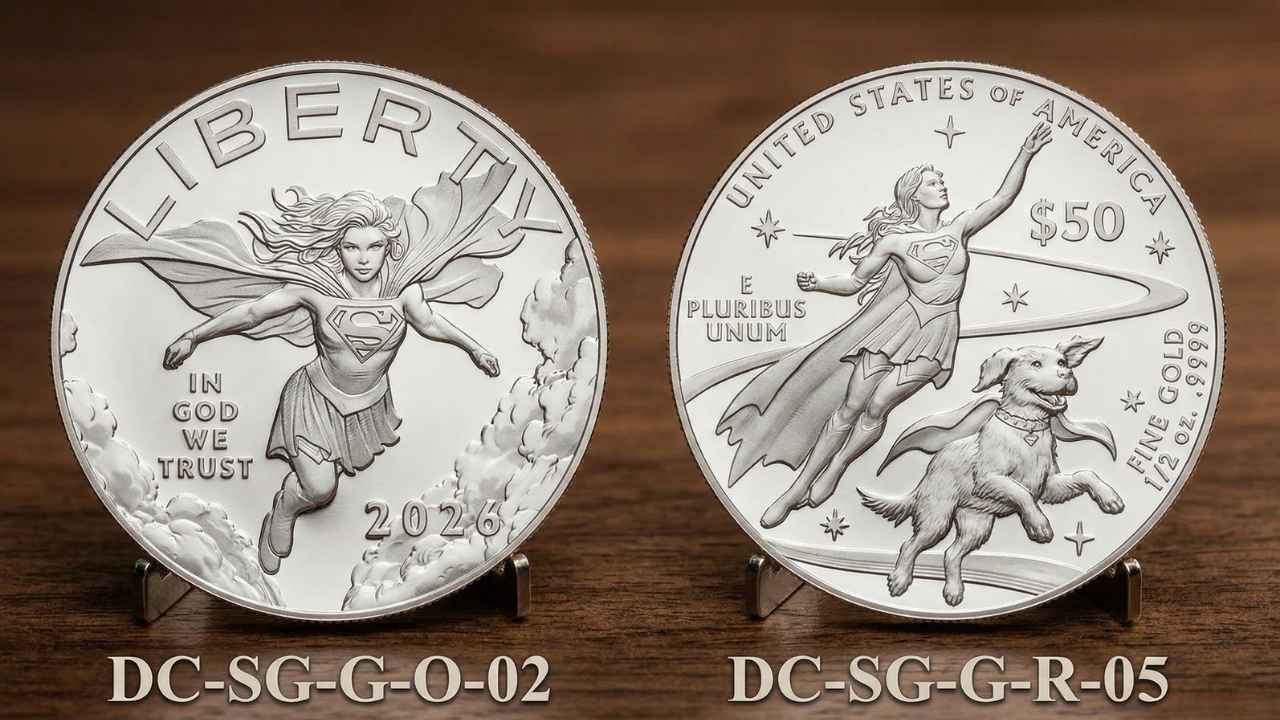
2026 Supergirl Designs Proposed: As the United States prepares to celebrate its 250th anniversary in 2026, excitement is building around the commemorative coins and medals expected to mark the historic occasion. Among the more surprising and imaginative proposals circulating in public discussions are design concepts inspired by Supergirl. While traditionally U.S. Mint programs have focused on presidents, historical landmarks, and national symbols, the idea of featuring a cultural icon like Supergirl reflects a broader vision of American storytelling and influence.
The year 2026 represents the semiquincentennial of American independence. It is a milestone that invites both reflection and creativity. The proposal to incorporate Supergirl into U.S. Mint designs blends history with modern pop culture, suggesting that the American story is not only written in government documents and battlefield victories but also in the characters that shape global imagination.

The Cultural Power of Supergirl
Supergirl first appeared in 1959 as part of the Superman family of characters. Created within the DC Comics universe, she quickly became a symbol of strength, resilience, and hope. Known as Kara Zor El, she is Superman’s cousin, sent from the doomed planet Krypton to protect humanity and uphold justice.
As a fictional character, Supergirl represents more than superhero action. She embodies themes that resonate deeply with American ideals. Courage in the face of adversity, dedication to protecting the vulnerable, and belief in justice are all principles that align with the nation’s founding values.

Over the decades, Supergirl has evolved through comic books, animated series, and television adaptations. The character’s influence extends beyond entertainment into conversations about female empowerment and representation in media. Featuring such a figure on commemorative coins or medals would signal recognition of the role storytelling plays in shaping cultural identity.
Why Consider Fictional Characters for Mint Designs
Historically, U.S. coinage has featured presidents, founding fathers, national monuments, and symbolic figures like Liberty. However, commemorative medals have sometimes honored cultural icons, artistic achievements, and significant movements.

Including a fictional character like Supergirl would not be without precedent in broader collectible coin programs around the world. Various countries have issued coins celebrating beloved characters from literature and film. These releases often attract younger collectors and expand interest in numismatics beyond traditional audiences.
In the United States, such a proposal would likely spark lively debate. Supporters would argue that American culture is one of the nation’s most powerful exports. Characters born in comic book pages have become global ambassadors of creativity and imagination. Recognizing that influence during the 250th anniversary could symbolize the nation’s enduring soft power.

Critics, on the other hand, might question whether fictional heroes belong on official Mint products tied to a milestone rooted in real historical events. That tension between tradition and innovation lies at the heart of many modern commemorative discussions.
The Role of DC Comics in American Pop Culture
Supergirl exists within the broader DC universe, one of the most influential forces in comic book history. The character is published by DC Comics, a company that has shaped superhero storytelling for generations.

The parent company, Warner Bros., has helped bring DC characters to worldwide audiences through films and television series. The global reach of these adaptations has turned once niche comic book heroes into household names.
By proposing Supergirl themed coin or medal designs, advocates highlight the importance of creative industries in America’s economic and cultural landscape. Entertainment, publishing, and film production contribute billions to the economy and serve as powerful tools of international influence.

Possible Design Concepts for 2026
Imagining how Supergirl could appear on a U.S. Mint coin or medal opens the door to artistic creativity. Designers might incorporate classic patriotic elements alongside the character’s iconic imagery. A coin could feature Supergirl standing confidently with the American flag in the background, symbolizing protection and hope.
Another concept could highlight themes of empowerment and equality. Since Supergirl has long represented strong female leadership, a commemorative medal might emphasize women’s contributions to American progress. This approach would connect pop culture symbolism with real historical achievements.
Designers would also need to balance fictional elements with official Mint standards. Inscriptions marking the 250th anniversary, national mottos, and the year 2026 would likely frame the artwork. The challenge would be maintaining dignity and gravitas while embracing creativity.
Public Reaction and Debate
As with any unconventional proposal, public response would likely be divided. Comic book fans and collectors might enthusiastically support the idea, viewing it as a fresh and inclusive approach to commemorating the nation’s milestone.

Traditional numismatists may prefer designs rooted strictly in historical imagery. They could argue that the semiquincentennial should focus on founding era symbols such as the Liberty Bell, the Declaration of Independence, or the original thirteen colonies.
Yet debate itself reflects a vibrant democratic culture. The ability to discuss and disagree over national symbols is part of what defines the American experience. The conversation around Supergirl coin proposals illustrates how the meaning of patriotism can evolve over time.

The Economic Appeal of Pop Culture Coins
From a practical standpoint, pop culture themed coins and medals often perform strongly in the collector market. Limited edition releases tied to recognizable characters can sell out quickly. They appeal not only to coin collectors but also to fans of the character.
For the U.S. Mint, expanding into pop culture themes during a landmark anniversary could broaden its audience. Younger generations who grew up reading comics or watching superhero series might feel more connected to a commemorative program that reflects their cultural touchstones.

Such releases could also encourage educational engagement. A Supergirl themed medal issued alongside traditional historical coins could spark curiosity about both American history and the evolution of American storytelling.
Balancing Tradition and Innovation
The proposal to feature Supergirl in 2026 designs ultimately raises a larger question. How should a nation celebrate 250 years of independence. Should it look strictly backward, honoring only the founders and early leaders. Or should it also celebrate the cultural achievements that have shaped modern America.
The answer may not be either or. The semiquincentennial provides room for both reflection and imagination. Traditional historical coins can coexist with creative commemorative medals. Together, they can tell a fuller story of a country that values freedom not only in governance but also in artistic expression.
Supergirl, as a symbol of courage and hope, aligns with many of the ideals that have guided the United States for two and a half centuries. Whether or not such designs move beyond the proposal stage, the discussion itself highlights the evolving nature of national identity.
Looking Toward 2026
As 2026 approaches, anticipation for commemorative programs will continue to grow. The 250th anniversary offers a rare opportunity to celebrate heritage while embracing the future. Proposals like the Supergirl designs remind us that American identity is multifaceted. It includes revolutionaries and lawmakers, but also artists, writers, and fictional heroes.
Coins and medals are small objects, yet they carry immense symbolic weight. They pass through hands and across generations, quietly telling stories about what a nation chooses to remember. If Supergirl becomes part of that story, it would represent a bold acknowledgment of the cultural forces that have helped define modern America.
Whether embraced or debated, the idea underscores one simple truth. The American story is still being written. And sometimes, even a superhero can play a role in how that story is told.