2026 Native American $1 Coin: The 2026 Native American $1 Coin is part of a long-running series produced by the United States Mint to honor the contributions of Native Americans to the history and culture of the nation. Since 2009, the Native American dollar series has highlighted stories of remarkable individuals, events, and achievements that shaped the country. Each coin tells a unique story, connecting the past to the present through design, artistry, and symbolism. The 2026 edition continues this tradition with a design that celebrates courage, generosity, and cooperation during the Revolutionary War.
Honoring the Oneida Nation
The theme chosen for the 2026 coin focuses on the Oneida Nation and their role at Valley Forge. During the harsh winter of 1777-1778, the Continental Army faced extreme cold, hunger, and disease. Members of the Oneida Nation traveled great distances to provide food and support to the soldiers. Their contributions were vital in sustaining the army during one of the most challenging periods of the Revolutionary War. The coin highlights this story of cultural cooperation and humanitarian effort, emphasizing values that resonate even today.
The Historical Story Behind the Coin
At the center of the design is Polly Cooper, an Oneida woman who delivered baskets of white corn to the struggling Continental Army. She not only provided a crucial source of food but also taught the soldiers and their families how to prepare it properly. This guidance ensured that the corn could be safely eaten and helped prevent illness. Polly Cooper’s actions illustrate how one person’s knowledge and generosity can make a life-saving difference during a time of crisis.
The coin’s reverse design captures this moment, showing Polly Cooper offering a basket of corn. The image is intended to tell a story rather than simply depict a figure, highlighting the Oneida Nation’s vital contribution and demonstrating cooperation between cultures during a formative period in American history.
The Design Review Process
Designing a coin is a careful and detailed process. For the 2026 Native American $1 Coin, initial concepts were reviewed by the Citizens Coinage Advisory Committee and the Commission of Fine Arts. These groups consist of experts in art, history, numismatics, and cultural heritage who provide guidance on both artistic quality and historical accuracy.
After the first round of reviews, adjustments were made to refine the composition, improve clarity, and ensure that inscriptions were well integrated. During the second review, the committees recommended the final design, which prominently features Polly Cooper and emphasizes the theme of Oneida support at Valley Forge. The recommendation process ensures that the design is both visually compelling and historically meaningful.
Design Elements and Composition
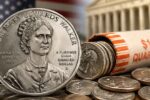
The obverse side of the coin retains the familiar image of Sacagawea carrying her infant son, linking the new coin to the broader Native American dollar series. The inscriptions include LIBERTY and IN GOD WE TRUST. The year of minting and the mint mark appear on the edge of the coin, maintaining consistency with previous issues.
The reverse design focuses on Polly Cooper offering a basket of white corn. Inscriptions on this side include UNITED STATES OF AMERICA, $1, and a description highlighting the Oneida contribution at Valley Forge. The composition balances text and imagery, ensuring that the story is clearly conveyed while maintaining aesthetic appeal. The coin is made from a manganese-brass alloy, giving it the familiar golden appearance that distinguishes the Native American dollar from other circulating coins.

Significance for Collectors
The Native American $1 Coin series is highly regarded by collectors, educators, and history enthusiasts. Each coin provides an opportunity to engage with an important aspect of American history while appreciating the artistry and design that bring the stories to life. The 2026 coin is particularly meaningful because it highlights a story of humanitarian effort and intercultural cooperation that is not widely known. Collectors value both circulating coins and special uncirculated editions, which allow them to preserve the details of the design and the historical story it represents.
Cultural and Educational Importance
Beyond its numismatic value, the 2026 coin serves as a tool for cultural education and recognition. By telling the story of Polly Cooper and the Oneida Nation, the coin encourages people to learn about contributions of Native Americans that are often overlooked in traditional histories. It also promotes awareness of values such as generosity, collaboration, and resilience, demonstrating how history can inspire contemporary society.

Coins like this provide an accessible way for the public to engage with history, making abstract events tangible and memorable. Schools, museums, and historical programs can use the coin as an educational resource to illustrate the human side of historical events.
Availability and Distribution
Once the design is approved by the Secretary of the Treasury, the 2026 coin will be produced at both the Philadelphia and Denver mints. Coins will be available in rolls and bags for collectors, as well as in sets that appeal to numismatic enthusiasts. While these coins are legal tender, many are purchased for their historical and collectible value.
Collectors and the public can obtain the coin through the United States Mint’s official channels. The 2026 edition is expected to attract strong interest due to the story it tells and the quality of the design.
Conclusion
The 2026 Native American $1 Coin is more than a piece of currency. It is a storytelling device, a work of art, and a reminder of the contributions of the Oneida Nation during the Revolutionary War. By featuring Polly Cooper and highlighting her role at Valley Forge, the coin emphasizes the importance of cooperation, knowledge, and generosity. The review and selection process ensured that the design is historically accurate, visually engaging, and meaningful to collectors and the public alike. This coin will serve as a lasting tribute to an overlooked chapter of American history and will inspire curiosity and learning for generations to come.